
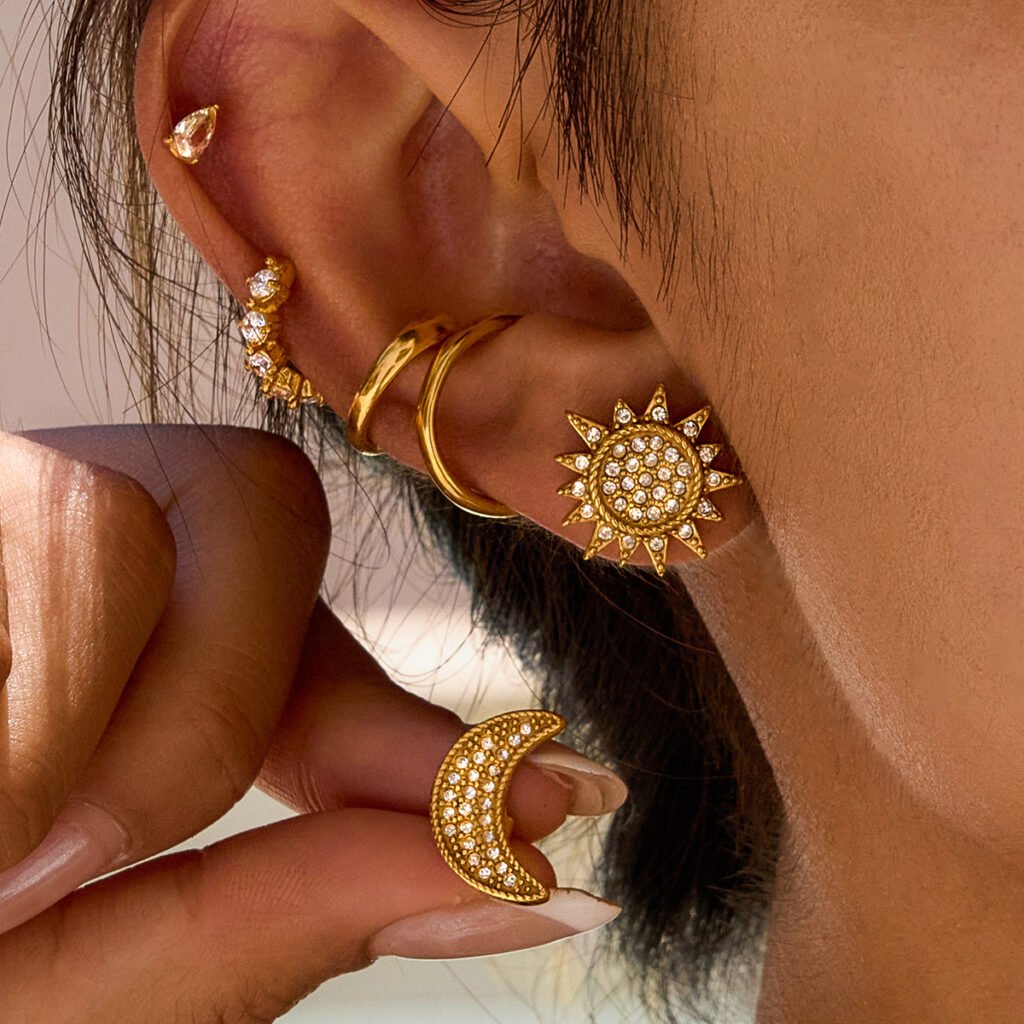
You can start a private label stainless steel jewelry brand without large upfront capital by first testing an in-stock catalog at low MOQ (around 10 pieces per style), validating which designs sell, and only then moving to custom/private-label production once demand is proven — custom runs typically require 300+ pieces per design and a 50% deposit. Skipping the validation step is the most common reason new jewelry brands overspend on inventory that doesn’t sell.
This guide walks through the realistic path from zero to a private label line, in the order most successful sellers actually follow.
Step 1: Validate With In-Stock Catalog Testing First
Before committing to custom tooling or a logo run, test your market with existing in-stock designs. A supplier with deep catalog inventory (6,000,000+ SKUs is a reasonable benchmark) lets you order 10 pieces per style across multiple categories and see what actually sells before you’ve spent a dollar on custom development.
This step does two things: it tells you which styles resonate with your audience, and it builds initial reviews/sales velocity that make later marketing easier.
Step 2: Choose Your Material Strategy
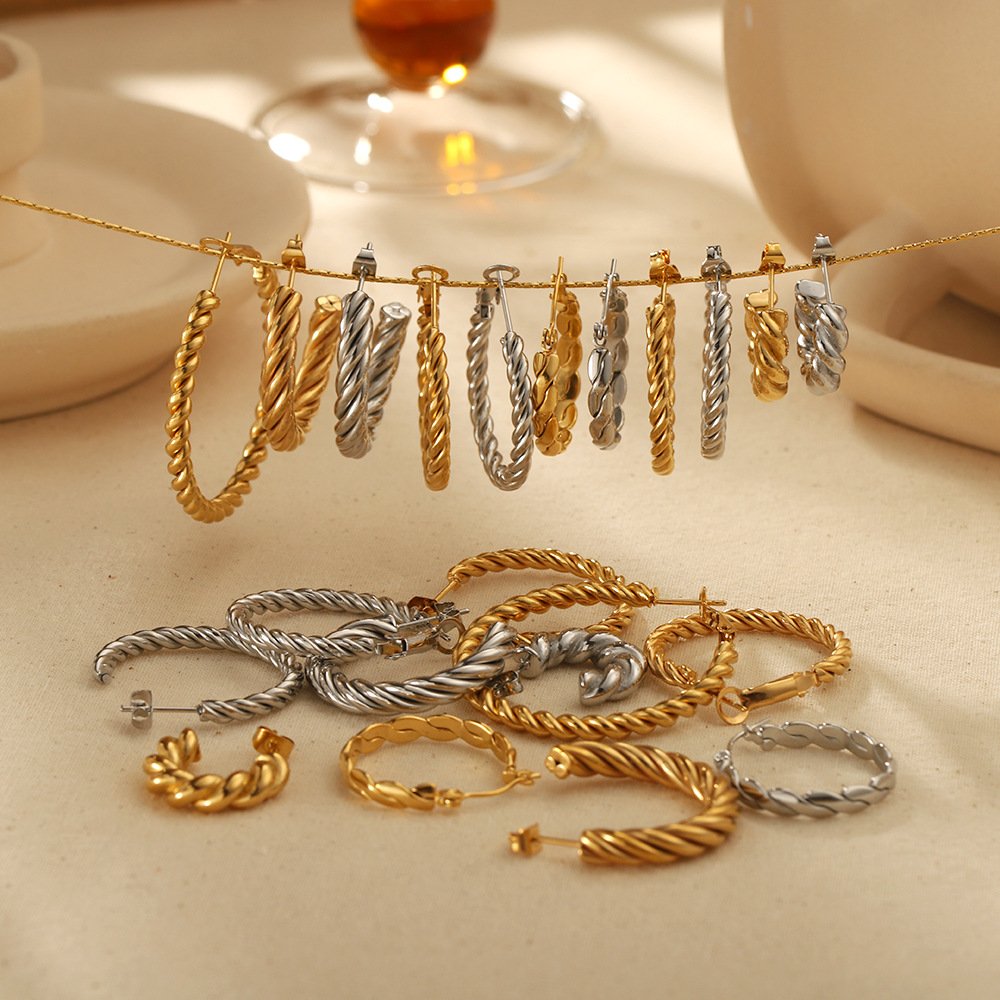
Most private label brands should default to 304 stainless steel as their primary material — it offers the widest style range, faster production, and the most competitive custom MOQ (300 pieces per design vs. 500 for 316L). Reserve 316L for a smaller, deliberately positioned line if your brand specifically targets sensitive-skin or marine/chlorine-exposure customers.
| Consideration | 304 SS | 316L SS |
|---|---|---|
| Custom MOQ | 300 pcs/design | 500 pcs/design |
| Style range for private label | Widest | Limited |
| Cost per unit | Lower | Higher |
| Best positioning | General fashion, everyday wear | Premium/sensitive-skin niche |
Step 3: Understand the Custom/OEM Process Before You Commit
Once you’re ready to move into private label with your own logo or exclusive design, the standard process looks like this:
- Submit your design concept, reference images, or sketches
- Supplier reviews feasibility and confirms pricing
- You pay a 50% deposit to begin
- Supplier sends technical drawings/design files for confirmation
- Factory produces samples (approximately 15–20 business days)
- Samples ship to you for review
- You approve the samples
- Mass production begins
- You pay the remaining 50% balance
- Goods are packed and shipped, with tracking provided
Knowing this timeline upfront lets you plan your launch date realistically — most new brands underestimate the 15–20 day sample cycle when setting launch expectations.
Step 4: Decide What “Private Label” Actually Means for Your Brand
There’s a spectrum between fully custom design and simple rebranding:
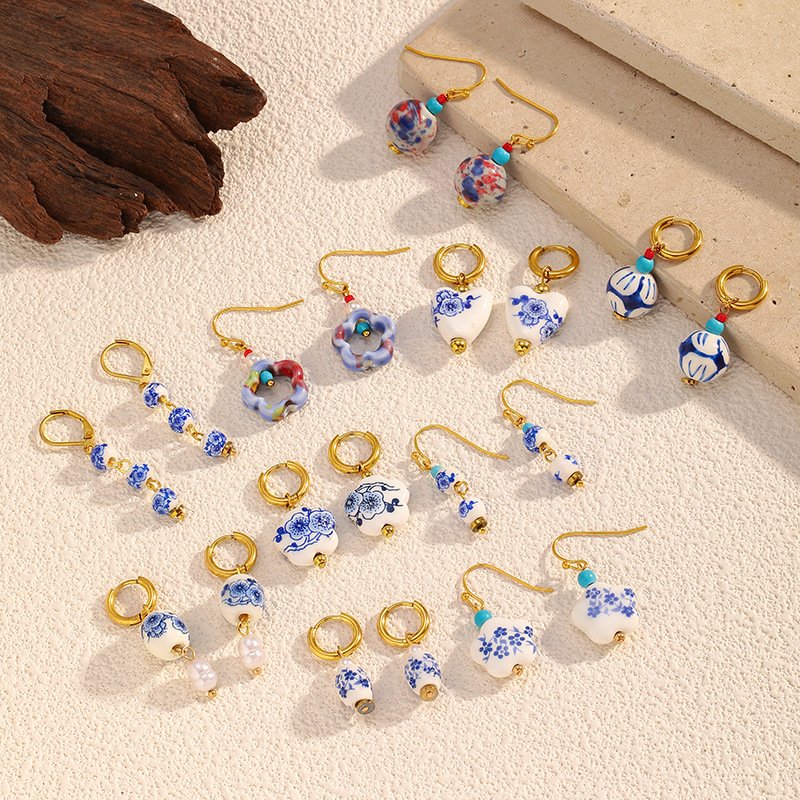
- Logo/engraving on existing in-stock designs — fastest path, often achievable without hitting full custom MOQ thresholds; ask your supplier what’s possible at lower volume
- Custom design with existing manufacturing capabilities (CNC machining, PVD plating, laser engraving, stone-setting) — moderate complexity, requires the standard custom MOQ
- Fully bespoke design from scratch — highest complexity, longest sample cycle, most valuable for brand differentiation once you have proven demand
Most new brands should start with the first option and graduate to the second as sales justify the investment.
Step 5: Plan Your Reorder Cadence Before You Even Launch
The economics of a jewelry brand are built on reorder frequency, not one-time order size. A brand placing $1,000–$10,000+ in monthly repeat orders across multiple categories is a healthier long-term business than one chasing a single large custom order.
Build your supplier relationship around this from day one — confirm they support fast Proforma Invoice turnaround (within 1 business day is a reasonable standard) and that reordering proven in-stock styles doesn’t require re-negotiating terms each time.
Step 6: Get Compliance Documentation Sorted Early
If you plan to sell into the EU or on Amazon EU, confirm your supplier can provide REACH (EU Regulation (EC) No 1907/2006) and RoHS (EU Directive 2011/65/EU) compliance documentation before your first shipment — not after a customs delay or platform audit forces the issue. These are typically delivered as PDF certificates per order, with a fee confirmed in your Proforma Invoice.
Step 7: Budget Shipping Into Your Margins From Day One
Shipping cost is calculated by weight, with a common reference rate to Europe and North America around $38/kg — confirmed exactly in your PI based on actual order weight and destination. Build this into your per-unit cost model early rather than discovering it after pricing your retail listings.
Realistic Timeline Summary
| Phase | Typical Duration |
|---|---|
| Catalog testing (in-stock) | 1–2 weeks to receive first test order |
| Sales validation period | 4–8 weeks |
| Custom/OEM sample development | 15–20 business days |
| Mass production after sample approval | Varies by order size |
| Shipping (EU/NA) | 7–12 business days |
FAQ
Q: How much money do I need to start a private label jewelry brand?
A: You can start testing with an in-stock catalog for a few hundred dollars at low MOQ (around 10 pieces per style). Custom/OEM production requires significantly more capital — a 50% deposit against a 300+ piece minimum order.
Q: Do I need my own design to start a jewelry brand?
A: No — many brands launch successfully using existing in-stock designs, sometimes with simple logo engraving, and move to fully custom designs only after validating demand.
Q: What’s the minimum order for custom logo jewelry?
A: Custom/OEM MOQ is typically 300 pieces per design for 304 stainless steel, or 500 pieces for 316L stainless steel.
Q: How long does it take to get custom jewelry samples made?
A: Sample production typically takes approximately 15–20 business days after your design and deposit are confirmed.
Q: Should I use 304 or 316L stainless steel for my private label brand?
A: 304 is the recommended default for most fashion jewelry brands — it offers the widest style selection and lower custom MOQ. Choose 316L only if your brand specifically targets sensitive-skin or marine-exposure customers.
Q: What’s the payment structure for custom jewelry orders?
A: Standard structure is a 50% deposit to begin production, with the remaining 50% balance due before the goods ship.
Next Step
Start by testing 10–15 in-stock styles before committing to a custom design run. Browse the catalog, validate demand, then move to private label once you know what sells.
👉 Browse the catalog: mfchic.com
📱 WhatsApp: +86 17727314167