
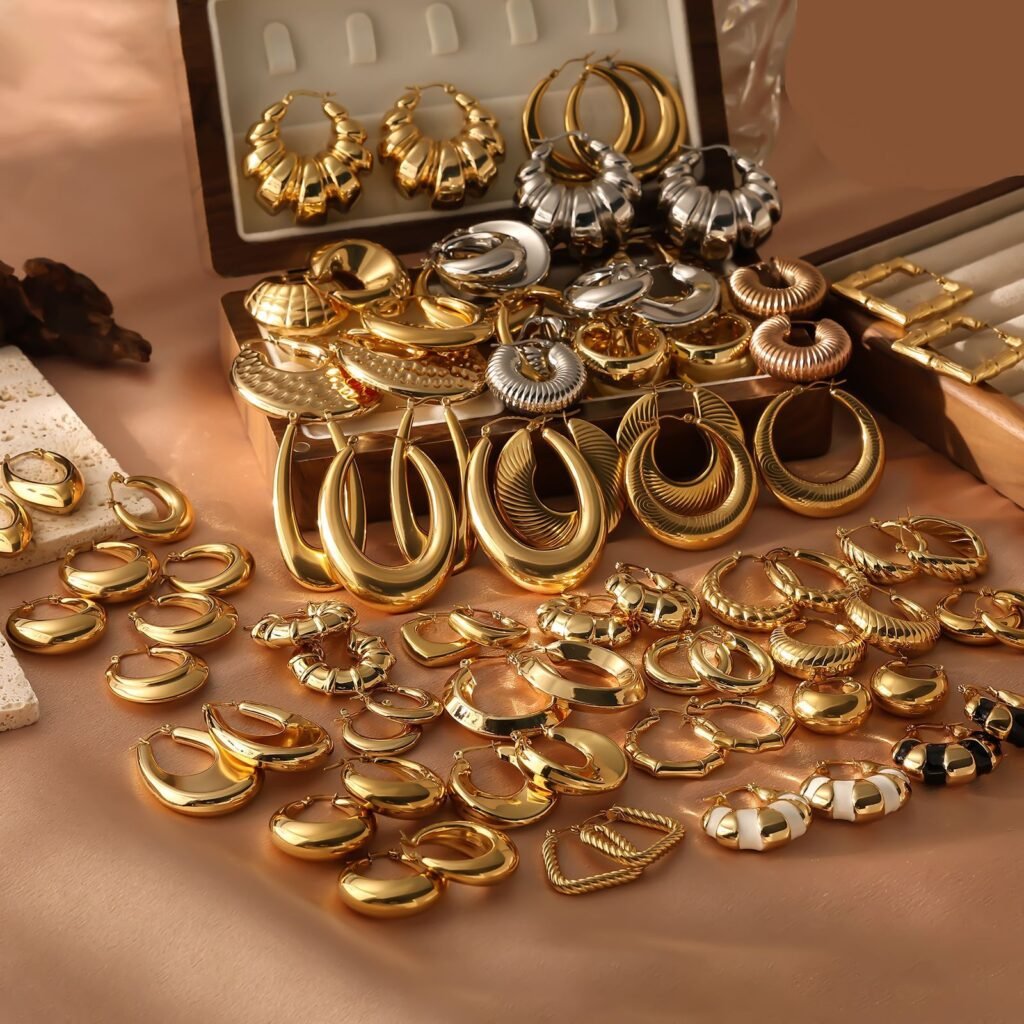
REACH (EU Regulation (EC) No 1907/2006) and RoHS (EU Directive 2011/65/EU) are the two compliance frameworks EU jewelry importers need from their suppliers — REACH restricts hazardous chemical substances, and RoHS restricts hazardous materials in the goods themselves. Importers should confirm a supplier can provide documentation for both before placing a first order, since compliance gaps can surface during customs clearance or platform audits.
For anyone importing stainless steel jewelry into the EU — whether for retail, Amazon EU, or a DTC storefront — understanding these two frameworks (and how to verify a supplier’s claims) is a practical necessity, not a legal nice-to-have.
What REACH Actually Covers
REACH stands for Registration, Evaluation, Authorisation and Restriction of Chemicals. For jewelry importers, the practical relevance is substance restriction: REACH limits the presence of certain hazardous chemicals (including specific heavy metals and allergens like nickel above defined thresholds) in consumer products sold in the EU.
A supplier that’s REACH compliant should be able to confirm their materials fall within these restricted-substance thresholds and provide documentation supporting that claim.
What RoHS Actually Covers
RoHS (Restriction of Hazardous Substances) is narrower in scope and traditionally associated with electronics, but it also applies to relevant hazardous substances in broader consumer goods categories, including certain jewelry components. It restricts substances like lead, cadmium, and specific flame retardants.
Compliance here matters most when a product includes any electronic or metallic components that could fall under RoHS-restricted categories.
Why This Matters Beyond Legal Risk
Compliance documentation isn’t just about avoiding penalties — it directly affects three practical business processes:
- EU customs clearance — customs authorities can request compliance documentation during import inspection
- Amazon EU and other platform audits — marketplaces increasingly request compliance proof for jewelry and accessory categories, especially during account health reviews
- B2B buyer qualification — if you’re reselling wholesale to other EU retailers, they will likely ask for your own supplier’s compliance documentation as part of their due diligence
How Certificate Provision Typically Works
Compliance certificates for stainless steel jewelry are generally issued on a per-order basis, not as a blanket guarantee covering all products a factory makes. Standard practice looks like this:
- Certificates are provided upon request — most reputable suppliers won’t proactively push certificates on every order, but will confirm availability when asked
- A processing fee typically applies per certificate request, confirmed transparently in your Proforma Invoice before you commit
- Delivery is standard as a PDF via email — this format carries full legal validity for EU customs clearance and platform compliance review
- Physical/paper originals are not standard; if your situation specifically requires them, this needs a direct conversation with the supplier’s sales team to assess feasibility
Compliance Documentation Comparison
| Requirement | REACH | RoHS |
|---|---|---|
| Full Name | Registration, Evaluation, Authorisation and Restriction of Chemicals | Restriction of Hazardous Substances |
| Regulation | (EC) No 1907/2006 | Directive 2011/65/EU |
| Primary Focus | Hazardous chemical substances | Hazardous materials in components |
| Common Use Case | Jewelry, textiles, general consumer goods | Originally electronics, now broader categories |
| Delivery Format | PDF, per-order request | PDF, per-order request |
What to Ask a Supplier Before You Import
- Do you hold REACH and RoHS compliance, and can you provide documentation per order?
- What format is the certificate delivered in, and is there a processing fee?
- Is the factory ISO 9001:2015 certified — meaning there’s a documented quality management system behind the compliance claims?
- How long has the factory been exporting, and to which markets? (18+ years and a broad international client base is a reasonable stability signal.)
Avoid suppliers who can’t answer these clearly or who promise certificates are “always included free” — that’s often a sign the compliance process isn’t well-documented on their end.
A Note on Timing
Because compliance certificates are typically issued per-order and involve a fee confirmed in the Proforma Invoice, it’s worth requesting compliance documentation at the inquiry stage — before your PI is finalized — rather than after your goods have already shipped. This avoids delays if your specific import scenario requires additional documentation review.
Common Misconceptions
“Stainless steel jewelry doesn’t need compliance certificates.” Incorrect — any consumer product sold in the EU, including jewelry, can fall under REACH substance restrictions regardless of the base material.
“A certificate covers all future orders from the same supplier.” Not typically — certification is usually issued per order/batch, since specific components (stones, coatings, findings) can vary between production runs.
“Physical certificates are the industry standard.” PDF delivery via email is the standard format for most manufacturers and is legally valid for customs and platform compliance purposes.

FAQ
Q: What’s the difference between REACH and RoHS for jewelry importers?
A: REACH restricts hazardous chemical substances broadly across consumer goods; RoHS specifically restricts certain hazardous materials, historically focused on electronics but relevant to some jewelry components. Both may be requested for EU import compliance.
Q: Do I need a certificate for every single order, or just once per supplier?
A: Certificates are typically issued per order/batch rather than as a one-time blanket certification, since materials and components can vary between production runs.
Q: Is a PDF compliance certificate legally valid for EU customs?
A: Yes, PDF certificates delivered via email are standard and accepted for EU customs clearance and platform compliance audits when issued by a legitimate, certified manufacturer.
Q: How much does a REACH or RoHS certificate cost?
A: Fees vary by supplier and are typically confirmed in your Proforma Invoice rather than quoted as a flat rate upfront — ask your supplier to confirm this as part of your order inquiry.
Q: Can Amazon or other marketplaces request compliance documentation after I’ve already listed a product?
A: Yes, platforms increasingly request compliance documentation during account health reviews or category-specific audits, so it’s safer to have this ready in advance rather than sourcing it reactively.
Q: What certification should I look for beyond REACH and RoHS?
A: ISO 9001:2015 is a common quality management certification worth confirming — it indicates a documented, audited production process, which supports the credibility of a factory’s other compliance claims.
Next Step
Confirm your next stainless steel jewelry order comes with REACH and RoHS documentation ready before it ships — not after a customs or platform audit request.
👉 Submit an inquiry: mfchic.com
📱 WhatsApp: +86 17727314167
📧 Email: info@mfchic.com