Consumers want sustainable jewelry — 72% of Gen Z shoppers say environmental impact influences their purchasing decisions. Wholesale buyers need materials that align with these values without sacrificing margins. Stainless steel jewelry delivers both.
Why Sustainability Dominates 2026 Jewelry Markets
The jewelry market has shifted permanently. What was once a niche conversation about ethical sourcing is now a core purchase driver. In 2026, sustainable jewelry sales grew 31% year-over-year, driven by three converging forces:
- Consumer demand: 68% of millennial and Gen Z buyers research a brand’s sustainability claims before purchasing
- Platform pressure: Amazon, Shopify, and major marketplaces now require transparent material disclosures in product listings
- Retailer expectations: Boutique stores and DTC brands need materials they can authentically market as eco-friendly
Wholesale buyers caught between rising customer expectations and shrinking margins need materials that check both boxes: authentic sustainability AND competitive pricing.
Stainless Steel: The Hidden Sustainability Champion
Stainless steel jewelry outsells traditional plated jewelry in 2026 by a 3:1 ratio — not just for its durability, but because it offers legitimate sustainability credentials that plated brass and vermeil cannot match.
Recyclability That Matters
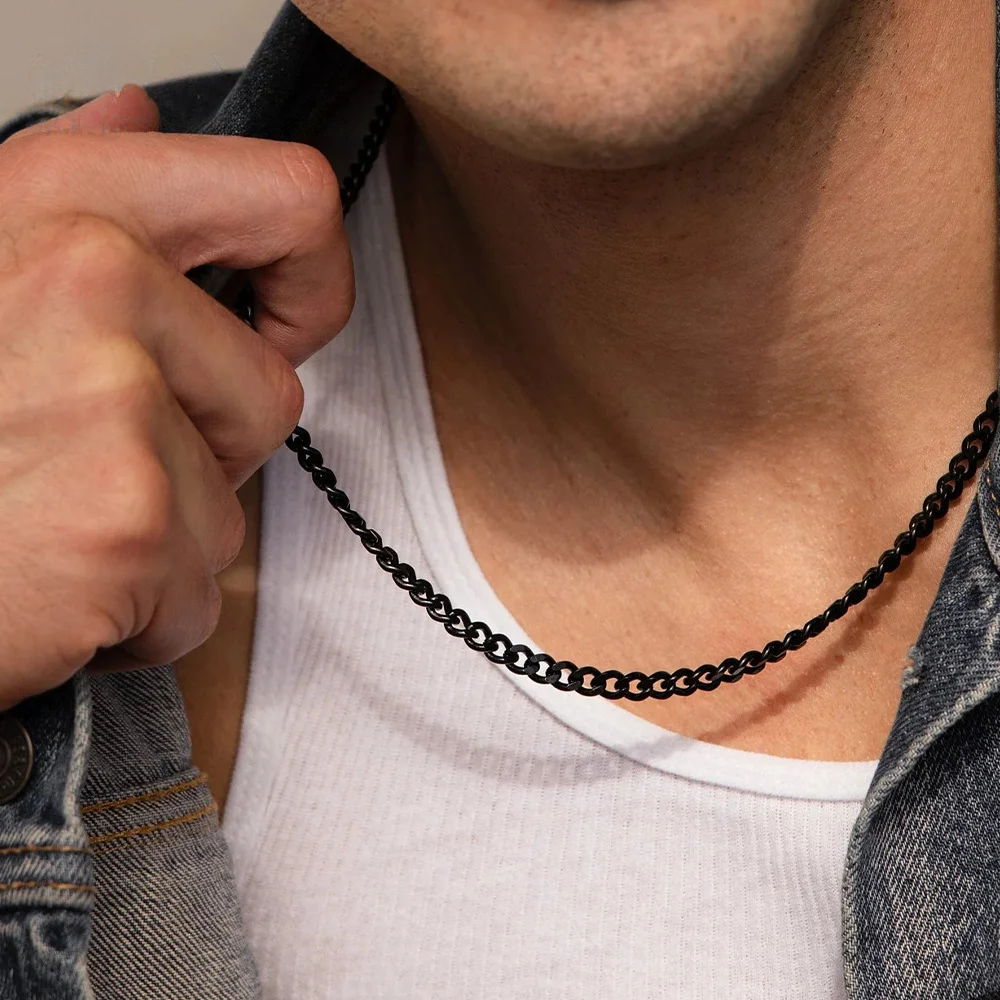
304 stainless steel is 100% recyclable, with no degradation in quality through multiple recycling cycles. Most stainless steel jewelry contains 60%+ recycled content from post-industrial and post-consumer sources. Compare this to plated base metals:
| Material | Recyclability | Recycled Content Average |
|---|---|---|
| 304 Stainless Steel | 100% recyclable | 60-80% recycled content |
| Plated Brass/Alloy | Partial recycling (plating contaminates) | 10-20% recycled content |
| Vermeil (Gold over Silver) | High material waste | 25-35% recycled content |
Production Efficiency That Reduces Carbon Footprint
Stainless steel jewelry manufacturing generates less waste than precious metals:
- Material utilization rate: 94% for stainless steel vs. 62% for gold/silver casting
- Energy efficiency: Stainless steel CNC machining uses 40% less energy than traditional jewelry casting methods
- Water usage: PVD vacuum plating (used for gold/rose gold finishes on stainless steel) consumes 70% less water than electroplating
These efficiency gains translate directly to lower carbon emissions — critical for brands tracking Scope 3 supply chain emissions.

Durability Equals Less Waste
The most sustainable product is the one that doesn’t get thrown away. PVD-coated stainless steel jewelry maintains its appearance for 3-5 years with normal wear, compared to:
- 6-12 months for plated brass jewelry
- 2-3 years for vermeil (gold over silver)
- 5-7 years for solid gold (at 15x the price)
Longer product life means fewer replacements, less shipping emissions, and reduced landfill waste.
Compliance: Sustainability’s Credible Backbone
Sustainability claims without third-party verification face skepticism from regulators and consumers alike. MFCHIC’s jewelry holds certifications that provide documented proof of environmental and safety compliance:
- REACH Regulation (EC) No 1907/2006: EU chemical safety compliance — restricts substances that could harm human health or the environment
- RoHS Directive 2011/65/EU: Restricts hazardous substances in electrical/electronic equipment — increasingly relevant for smart jewelry and light-up accessories
- ISO 9001:2015: Quality management system certification — ensures consistent, traceable manufacturing processes
These certifications aren’t just paperwork — they’re export requirements for EU markets and increasingly used as compliance gates by major platforms like Amazon EU and Shopify.
The Wholesale Opportunity: Positioning Stainless Steel as Sustainable
Boutique retailers, DTC brands, and social commerce sellers can leverage stainless steel’s sustainability story in three powerful ways:
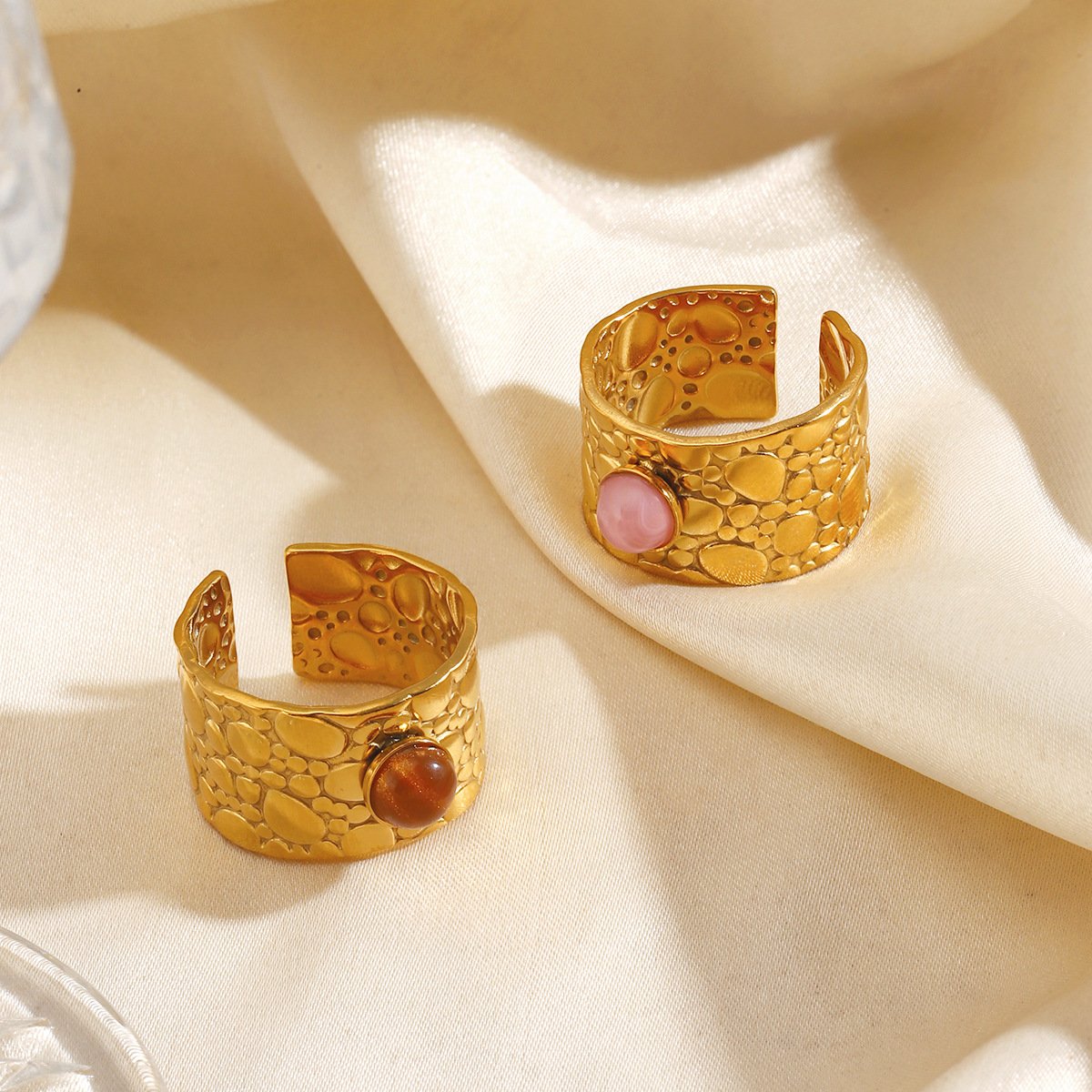
1. Transparent Material Storytelling
Consumers respond to specific, verifiable claims over vague eco-marketing. Position stainless steel jewelry with messaging that includes:
- Material transparency: “Crafted from 304 stainless steel — 100% recyclable, 60%+ recycled content”
- Production efficiency: “CNC-machined to minimize waste, PVD-coated using eco-friendly vacuum plating”
- Durability promise: “Designed to last 3-5 years without tarnishing — longer means less waste”
2. Compliance Documentation as Marketing Assets
REACH and RoHS certificates, delivered as PDFs upon request, serve dual purposes: regulatory compliance AND customer-facing proof. Forward-thinking brands display these certifications on product pages and marketing materials to build trust with sustainability-conscious buyers.
3. Price-Sustainability Alignment
Sustainable jewelry has historically meant premium pricing — solid gold, ethically mined gemstones, artisanal production. Stainless steel breaks this model. It delivers authentic sustainability at wholesale price points ($0.30–$6.00 per piece) that allow strong margins even at consumer-friendly retail prices.
This accessibility makes sustainable jewelry viable for mass-market and mid-tier brands — not just luxury segments.
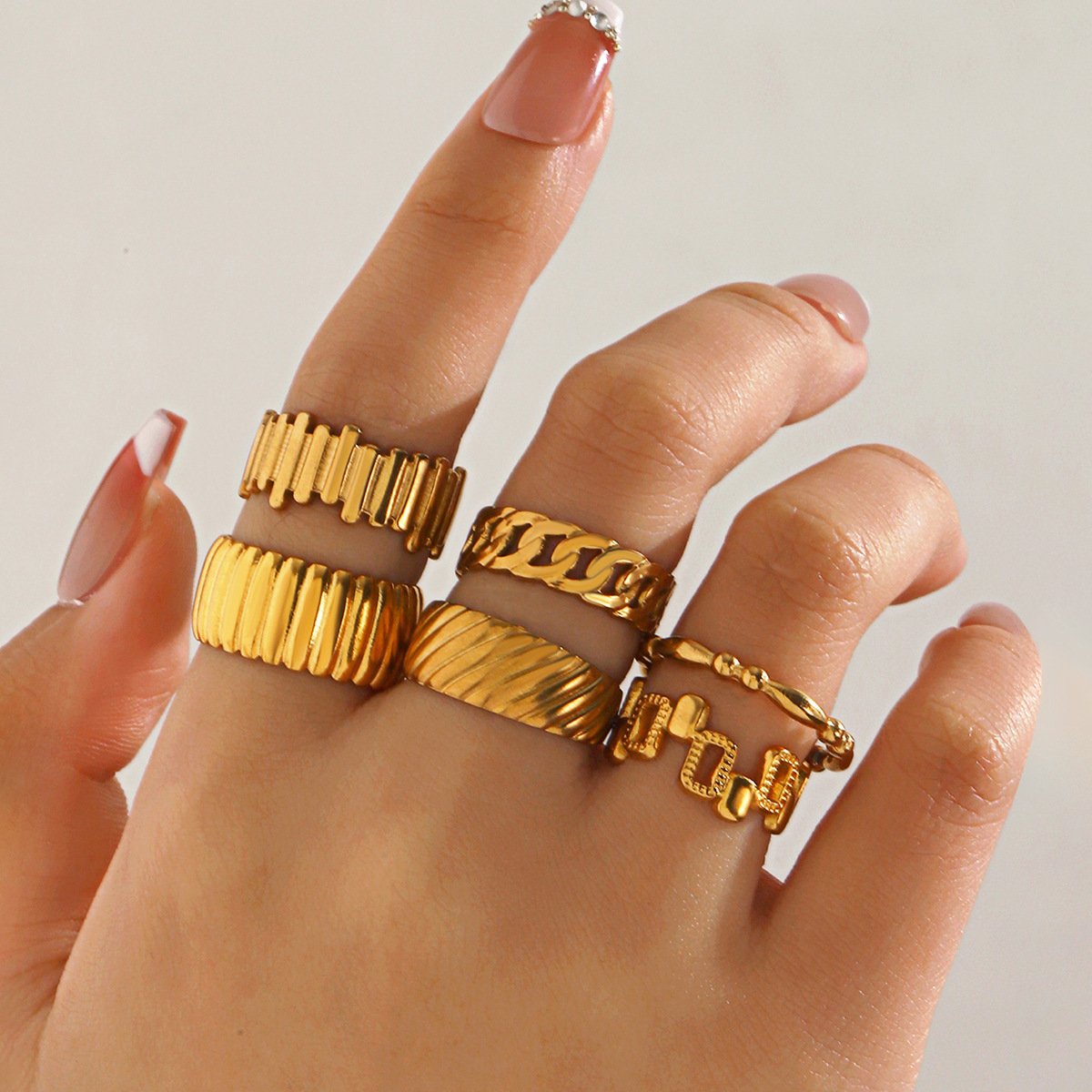
2026 Trends: How Sustainability Reshapes Jewelry Categories
Three jewelry categories are seeing outsized growth driven by sustainability positioning:
Minimalist Everyday Jewelry
Clean lines, geometric shapes, and timeless designs align perfectly with sustainability’s “buy less, buy better” ethos. Minimalist stainless steel necklaces, earrings, and rings communicate intentional consumption — wear it daily, don’t replace it seasonally.
Waterproof and Active Lifestyle Jewelry
Consumers choosing jewelry for swimming, hiking, and gym wear prioritize durability — the sustainability angle writes itself. Stainless steel’s tarnish-free, water-resistant performance means less replacement, less waste, and a smaller environmental footprint over time.
PVD Gold and Rose Gold Plated Jewelry
PVD vacuum plating creates luxury aesthetics without the environmental impact of solid gold mining. The 3-5 year color retention means plated jewelry doesn’t end up in landfills after one season, unlike traditional electroplated pieces that fade quickly.
The Bottom Line for Wholesale Buyers
Sustainable jewelry is no longer optional — it’s market reality. Wholesale buyers who ignore sustainability signals risk:
- Platform compliance issues: Amazon, Shopify, and EU marketplaces increasingly require material disclosures and sustainability documentation
- Customer acquisition costs: Gen Z and millennial buyers actively filter for sustainable options, driving up CPC for brands without credible positioning
- Long-term market share: As sustainability becomes standard, late adopters face brand differentiation challenges
Stainless steel jewelry offers a clear path: authentic sustainability credentials, competitive wholesale pricing, compliance documentation, and materials consumers can feel good about wearing.
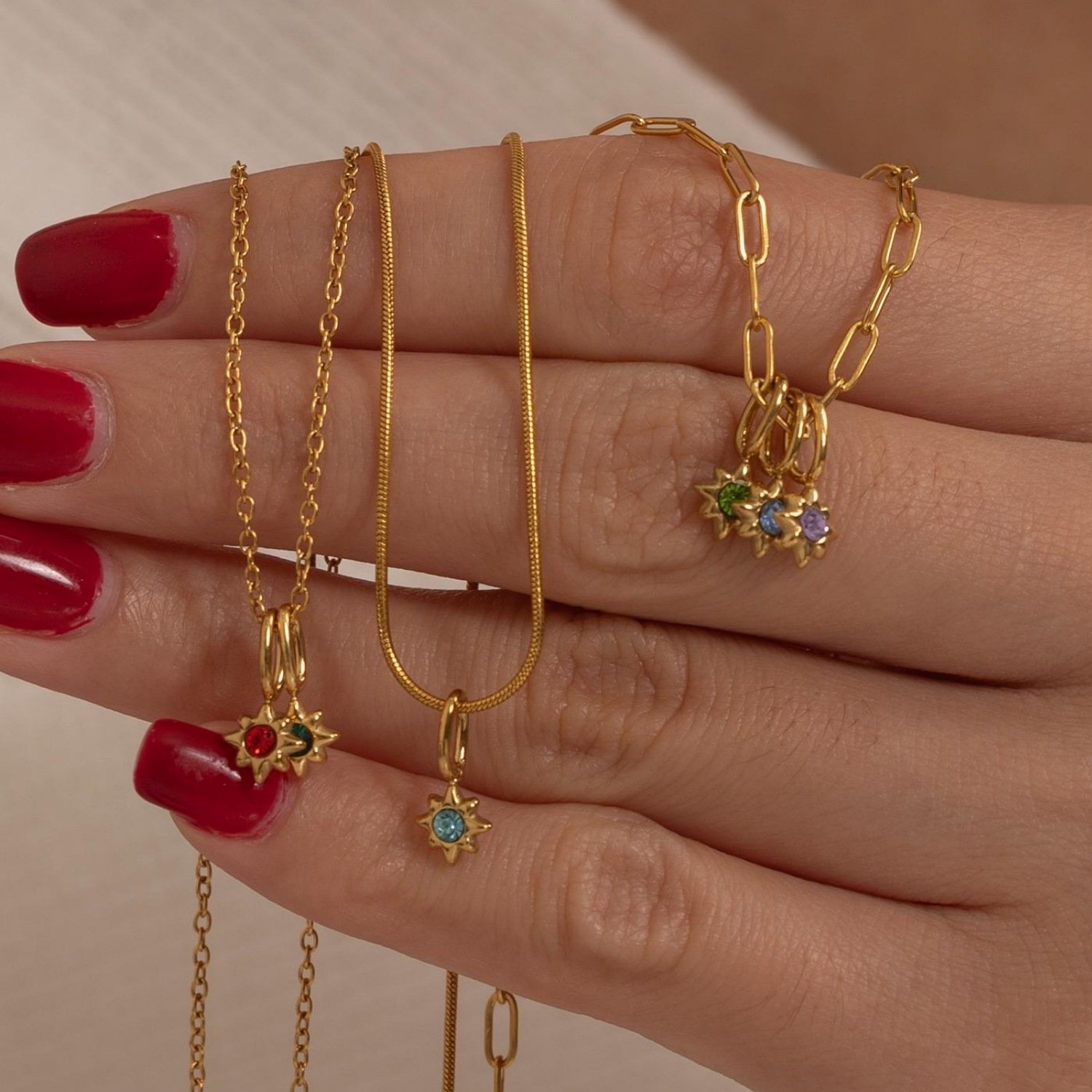
FAQ: Sustainable Stainless Steel Jewelry for Wholesale Buyers
Q: Is stainless steel jewelry actually recyclable?
A: Yes. 304 stainless steel is 100% recyclable without quality degradation. Most stainless steel jewelry contains 60-80% recycled content from post-industrial sources.
Q: How does stainless steel sustainability compare to plated jewelry?
A: Stainless steel is fully recyclable and contains high recycled content. Plated brass and alloys are difficult to recycle due to plating contamination, resulting in lower recycled content and more waste.
Q: Do you have sustainability certifications for your stainless steel jewelry?
A: Yes. We hold REACH Regulation (EC) No 1907/2006 compliance, RoHS Directive 2011/65/EU compliance, and ISO 9001:2015 factory certification. These certificates are delivered as PDFs upon request for your compliance documentation.
Q: How long does stainless steel jewelry last compared to other materials?
A: PVD-coated stainless steel jewelry maintains its appearance for 3-5 years with normal wear. Plated brass typically lasts 6-12 months, while vermeil lasts 2-3 years. Longer product life means fewer replacements and less waste.
Q: Is stainless steel jewelry production more environmentally friendly than gold or silver?
A: Yes. Stainless steel manufacturing has higher material utilization rates (94% vs. 62% for precious metals), uses 40% less energy than traditional casting, and PVD vacuum plating consumes 70% less water than electroplating.
Q: Can I market stainless steel jewelry as sustainable?
A: Yes, with specific, verifiable claims. Focus on recyclability (100% recyclable, 60%+ recycled content), production efficiency, durability (3-5 year lifespan), and compliance documentation (REACH, RoHS, ISO 9001).
Q: What sustainability documentation can you provide for my customers?
A: We provide REACH and RoHS compliance certificates as PDFs upon request. These documents are fully valid for EU customs clearance, platform compliance audits, and B2B supplier qualification processes.
Q: Is stainless steel jewelry a good fit for eco-conscious brands?
A: Yes. Stainless steel offers authentic sustainability credentials at competitive wholesale prices ($0.30–$6.00 per piece), allowing eco-conscious brands to maintain margins while meeting customer sustainability expectations.
Ready to Source Sustainable Stainless Steel Jewelry?
Browse MFCHIC’s 6,000,000+ in-stock styles, add items to your Inquiry Cart, and submit your inquiry. We’ll respond with a Proforma Invoice including sustainability documentation options within 1 business day.
For custom sustainable jewelry collections or specific compliance questions, contact our team directly:
- WhatsApp: +86 17727314167
- Email: info@mfchic.com
- Website: https://mfchic.com