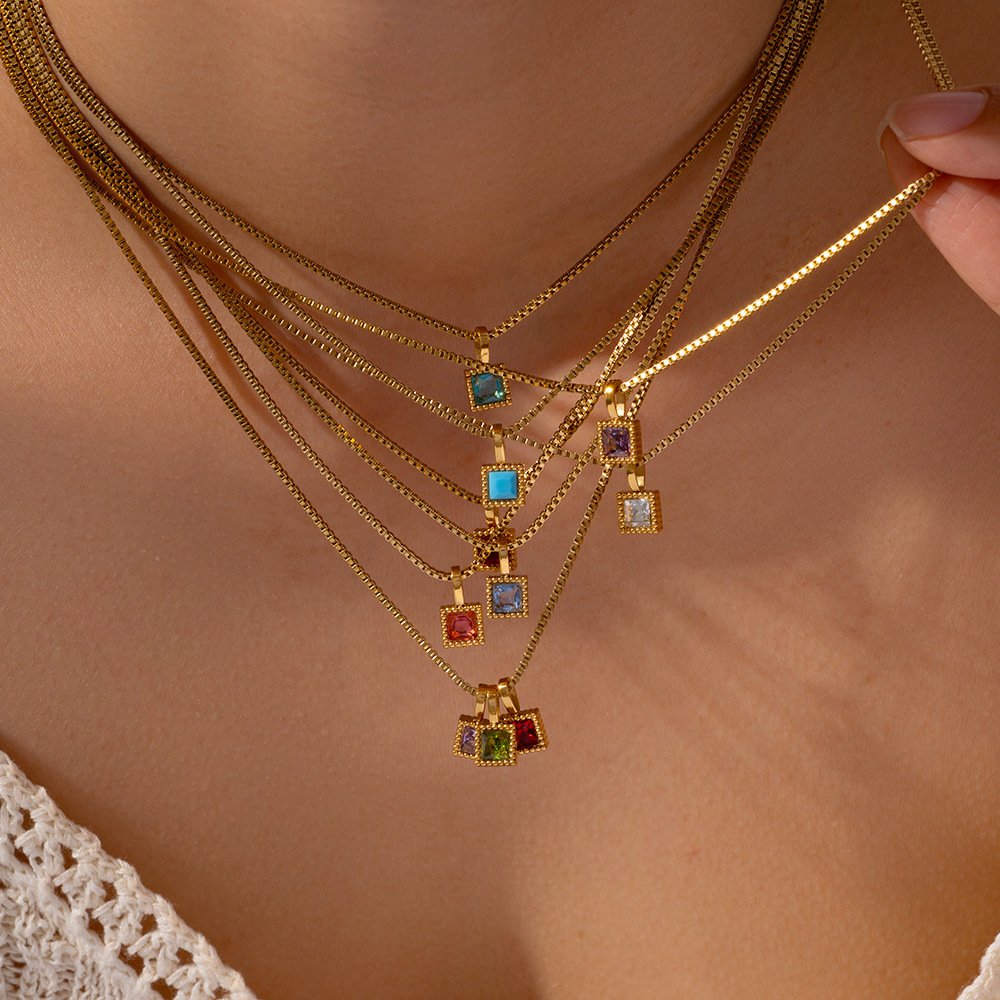
For wholesale buyers building a sensitive-skin or piercing-adjacent jewelry line, 316L stainless steel is the more practical sourcing material — titanium is biocompatible and lightweight, but it is harder to machine, generally costs more per piece, and is supplied by a much narrower pool of wholesale manufacturers at usable MOQs. 316L delivers comparable everyday body-safe performance with far easier sourcing, lower minimums, and a supplier base already set up for private-label production. Most body-safe product lines that need to scale — not just launch a single hero SKU — end up sourcing primarily in 316L for exactly this reason.
This guide breaks down the real tradeoffs between titanium and 316L stainless steel so you can decide which material fits your product line, your budget, and your reorder cycle.
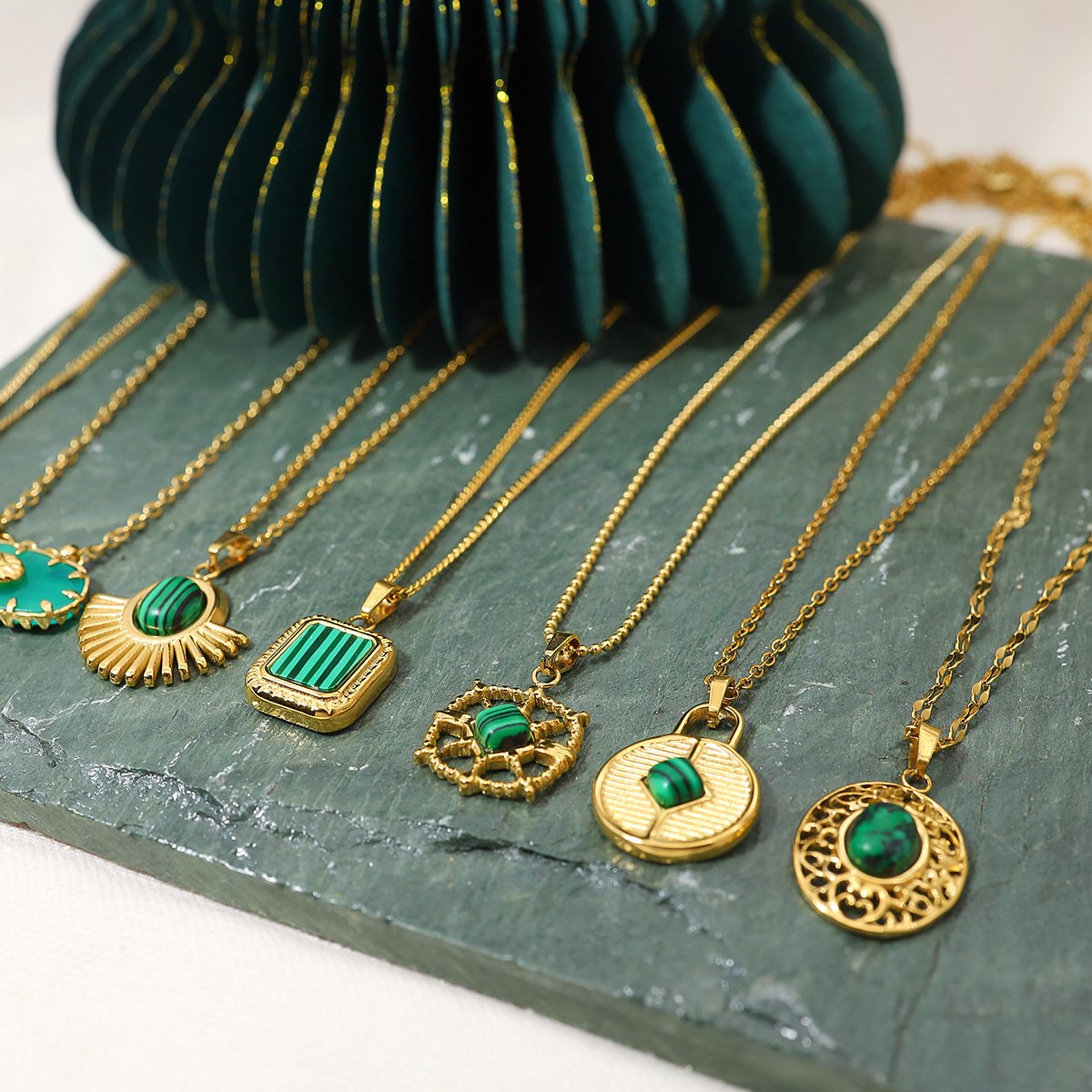
What Buyers Mean by “Titanium Jewelry”
Titanium is a lightweight, highly biocompatible metal widely used in medical implants and premium body jewelry, which is why some sensitive-skin brands consider it first. It is naturally hypoallergenic and resistant to corrosion, and its low density makes it noticeably lighter than steel at the same size — a feature some piercing-focused brands market directly to customers.
The tradeoff shows up on the manufacturing side. Titanium is significantly tougher to machine, cut, and polish than stainless steel, which drives up tooling time and production cost per piece. It is also sourced from a much smaller, more specialized pool of manufacturers, and wholesale MOQs for titanium jewelry are typically higher and less flexible than for stainless steel product lines. For buyers who need to test multiple styles before committing to volume, this narrower supplier landscape is the practical bottleneck — not the material’s safety profile.
What Is 316L Stainless Steel?
316L is a surgical/medical-grade stainless steel alloy composed of roughly 18% chromium and 10–14% nickel, with added molybdenum for superior resistance to chlorine and saltwater exposure. It’s the grade most commonly recommended for body jewelry, swim-adjacent product lines, and sensitive-skin positioning — the exact use case titanium is also considered for.
MFCHIC, a stainless steel jewelry manufacturer with 18 years of export experience, carries a dedicated 316L collection alongside its primary 304 stainless steel range specifically to serve this segment. Unlike titanium, 316L in-stock items carry the same low MOQ as the rest of the catalog — 10 pieces per style — making it far easier to test a body-safe line without a large upfront commitment.
Titanium vs 316L: Side-by-Side Comparison
| Factor | Titanium | 316L Stainless Steel |
|---|---|---|
| Biocompatibility | Excellent — medical-implant grade | Excellent — medical/surgical grade |
| Weight | Lighter | Slightly heavier, still comfortable |
| Machinability | Difficult, slower, costlier to produce | Easier, faster, more cost-efficient |
| Wholesale Cost | Generally higher per piece | More affordable per piece |
| Supplier Availability | Narrow, specialized pool | Wide, established wholesale supply base |
| Typical Wholesale MOQ | Higher, less flexible | 10 pcs/style in-stock; 500 pcs/design custom |
| Style/Finish Range | Limited, niche catalogs | Broad — PVD gold/rose gold, mirror, brushed finishes |
| Mixing With Other Materials | Rarely combined with steel lines | Can mix freely with 304 SS in one order |
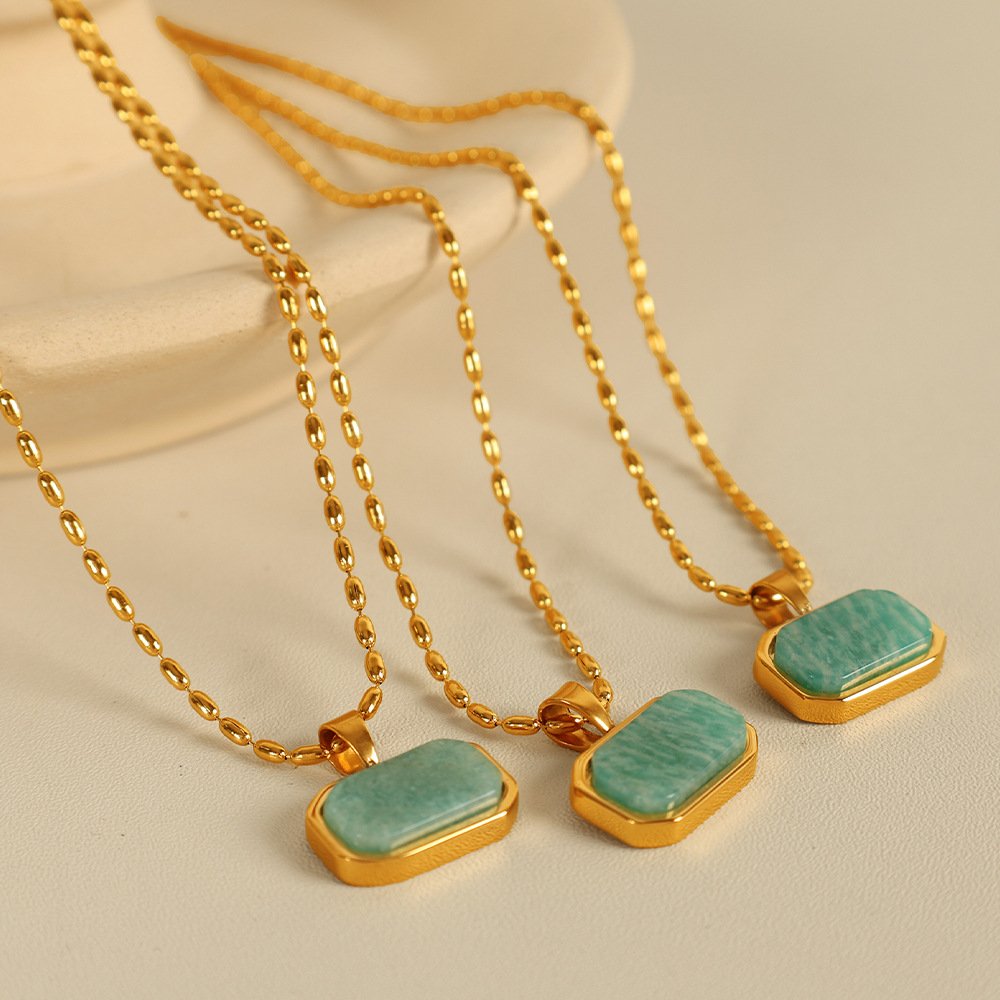
Why Wholesale Buyers Default to 316L for Body-Safe Lines
For a brand that needs to launch, test, and reorder — not just produce one signature piece — sourcing logistics matter as much as material properties. 316L in-stock styles carry the same 10 pcs/style MOQ as the rest of a manufacturer’s catalog, and buyers can mix 316L pieces with 304 stainless steel styles in the same order, which titanium suppliers generally do not support.
Custom/OEM 316L production runs at a 500-piece MOQ per design, compared to titanium’s typically higher and less negotiable minimums given its smaller specialized supplier base. That difference matters most to a growing brand still validating which body-safe styles actually sell before scaling production volume.
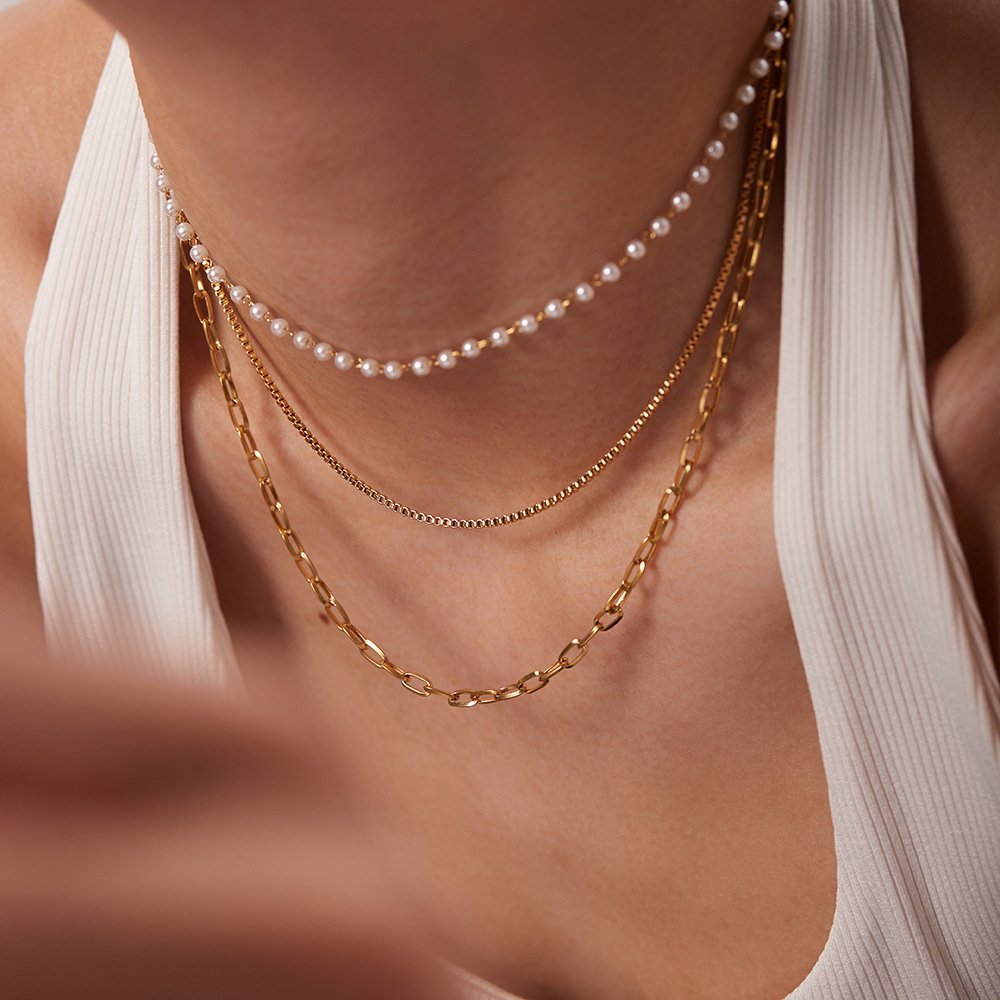
MFCHIC, an ISO 9001:2015 certified factory with 200+ skilled workers and 5,000+ pieces of daily production capacity, produces 316L stainless steel jewelry at wholesale scale — offering buyers style breadth and reorder speed that a niche titanium supplier typically cannot match at comparable price points.
When Titanium Might Still Be the Right Call
Titanium can make sense for a brand explicitly building a premium, implant-grade positioning around a small number of hero SKUs, where per-unit cost and machining complexity are secondary to that specific material story. If your line depends on marketing “titanium” as a headline claim rather than broader catalog depth, it may be worth sourcing from a specialized titanium supplier directly.
For most sensitive-skin and body-adjacent product lines, though, the goal is to offer a believable body-safe assortment at a scale that supports monthly reordering — and that’s where 316L’s wider style range and lower MOQ threshold generally win out. Note: MFCHIC manufactures 304 and 316L stainless steel jewelry only and does not produce titanium jewelry.
Compliance & Trust Signals
Whichever material a brand ultimately sources, compliance documentation should back up any body-safe claim. MFCHIC’s 316L and 304 stainless steel jewelry is manufactured under ISO 9001:2015 quality management certification, and REACH (EU Regulation (EC) No 1907/2006) and RoHS (EU Directive 2011/65/EU) compliance documentation is available upon request. Certificates are issued per order in PDF format via email, with any applicable fee confirmed in your Proforma Invoice — they are not proactively included or promised free of charge.
FAQ
Q: Is titanium or 316L stainless steel better for sensitive skin?
A: Both are considered biocompatible and suitable for sensitive skin. Titanium is used in medical implants and is naturally hypoallergenic; 316L is medical/surgical-grade steel with added molybdenum for corrosion resistance. For most body-adjacent fashion jewelry, 316L performs comparably at a more accessible wholesale cost.
Q: Why is titanium jewelry harder to source at wholesale scale?
A: Titanium is significantly harder to machine, cut, and polish than stainless steel, which increases production time and cost. It’s also produced by a smaller pool of specialized manufacturers, so wholesale MOQs tend to be higher and less flexible than for stainless steel jewelry lines.
Q: Does MFCHIC manufacture titanium jewelry?
A: No. MFCHIC manufactures 304 and 316L stainless steel jewelry only. For body-safe or sensitive-skin product lines, MFCHIC’s 316L stainless steel collection is offered as the practical wholesale alternative to titanium.
Q: What is the MOQ for 316L stainless steel jewelry?
A: In-stock 316L items carry a MOQ of 10 pieces per style, the same as MFCHIC’s broader catalog. Custom/OEM 316L designs require a 500-piece MOQ per design.
Q: Can I mix 316L stainless steel with other materials in one wholesale order?
A: Yes. 316L and 304 stainless steel styles can be combined freely within a single order, letting buyers build a mixed body-safe and everyday-wear assortment without splitting purchase orders.
Q: Is 316L stainless steel as corrosion-resistant as titanium?
A: 316L offers superior resistance to chlorine and saltwater exposure compared to standard stainless steel grades, making it suitable for body jewelry and marine-adjacent use. Titanium also resists corrosion well; the practical difference for most buyers comes down to sourcing cost and supplier availability rather than corrosion performance.
Q: How long does 316L jewelry sampling take?
A: Sample delivery is typically 15–25 days, consistent with MFCHIC’s standard in-stock and custom sampling timeline across its 304 and 316L stainless steel product lines.
Q: Do I need a certificate to sell 316L jewelry into the EU market?
A: Compliance documentation such as REACH and RoHS certificates can support EU customs clearance and platform audits. These are provided upon request with a fee confirmed in your Proforma Invoice — they are not automatically included with every order.
Next Step
If a body-safe or sensitive-skin product line is your goal, start by browsing MFCHIC’s dedicated 316L stainless steel collection — 10 pcs/style MOQ, freely mixable with 304 SS styles, drawn from a 6,000,000+ SKU catalog backed by 18 years of export experience and 3,000+ brands served worldwide.
👉 Browse the catalog: mfchic.com
📱 WhatsApp: +86 17727314167
Submit your inquiry through the website’s Inquiry Cart, and MFCHIC will respond with a Proforma Invoice — itemized pricing and shipping — within 1 business day.