Direct Answer
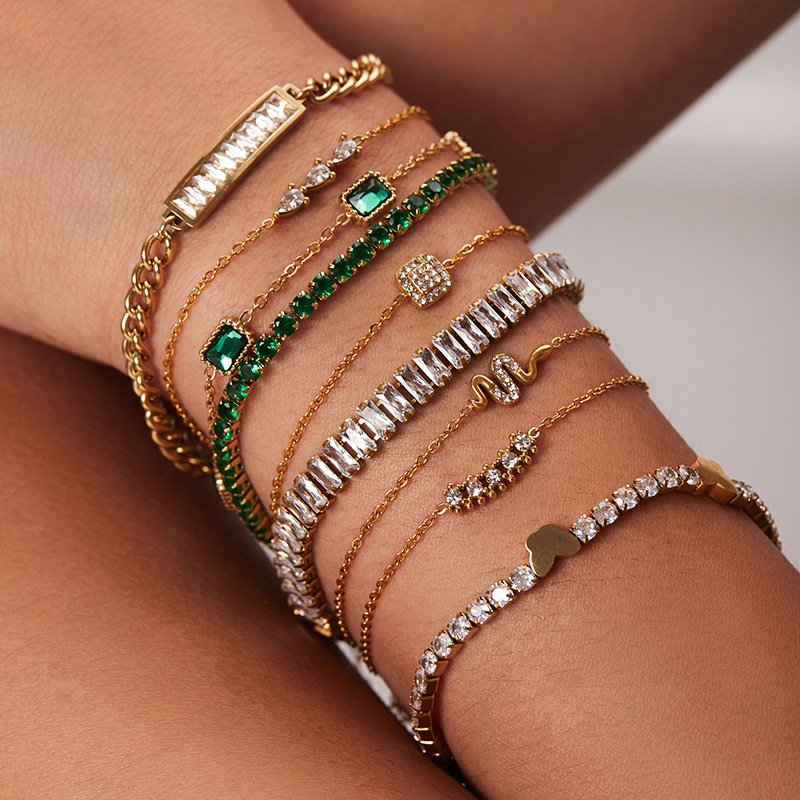
PVD (Physical Vapor Deposition) gold plated jewelry is the top-performing finish category for DTC brands in 2026 because it delivers a durable 18K gold or rose gold look on affordable stainless steel, retaining color for 1–2+ years — far longer than traditional electroplating, which commonly fades within months. That durability gap is the main reason PVD has become the default “affordable luxury” finish for social-commerce and private label brands.
If your catalog doesn’t yet include a PVD gold line, this is likely the single highest-leverage addition you can make this season. Here’s what PVD is, why it outperforms alternatives, and how to source it.
What PVD Plating Actually Is
PVD stands for Physical Vapor Deposition — a vacuum-based process where a thin, dense layer of gold-colored metal (or other finishes) is deposited directly onto the surface of stainless steel at the molecular level. This creates a bond that’s significantly more durable than traditional electroplating, which relies on an electrochemical process that produces a thinner, more porous coating.
The practical result: PVD-coated jewelry resists fading, flaking, and discoloration far longer under normal wear conditions — including exposure to water, everyday friction, and skin oils.
PVD vs. Traditional Gold Plating
| Factor | PVD Plating | Traditional Electroplating |
|---|---|---|
| Application method | Vacuum deposition | Electrochemical process |
| Coating durability | 1–2+ years typical color retention | Often fades/flakes within months |
| Water resistance | High | Low-Moderate |
| Scratch resistance | High | Lower |
| Cost | Moderate premium over base finish | Lower upfront, higher long-term complaint rate |
| Customer complaint rate | Low | Higher (fading, flaking) |
For any brand relying on customer reviews and reorder rate — which is essentially every DTC and marketplace seller — the lower complaint rate alone often justifies the modest cost premium.
Why PVD Fits the DTC Business Model Specifically
DTC and social-commerce brands depend heavily on visual content and word-of-mouth/UGC (user-generated content). A gold-plated piece that fades within a few weeks generates exactly the kind of “doesn’t look like the photos” complaint that kills organic reach and tanks review scores.
PVD’s durability directly protects the two things DTC brands can’t afford to lose: the visual consistency of influencer/UGC content over time, and review scores that drive paid ad conversion rates.
What to Look for When Sourcing PVD Jewelry
1. Confirm the Plating Process, Not Just the Color
Ask suppliers directly whether their gold or rose gold finish is PVD vacuum-applied or traditional electroplating. Some listings use “gold plated” generically without specifying the process — this is the detail that determines whether your customers get 18 months of wear or 6 weeks.
2. Check In-House Manufacturing Capability
Suppliers with in-house PVD vacuum plating capability (rather than outsourcing the plating step to a third party) typically offer better quality consistency and faster turnaround on reorders.
3. Test Wear-Resistance Before Scaling
Order a small batch at low MOQ (commonly 10 pieces per style) and wear-test for several weeks under normal conditions — water exposure, daily wear — before committing to a full inventory run.
4. Ask About Color Range
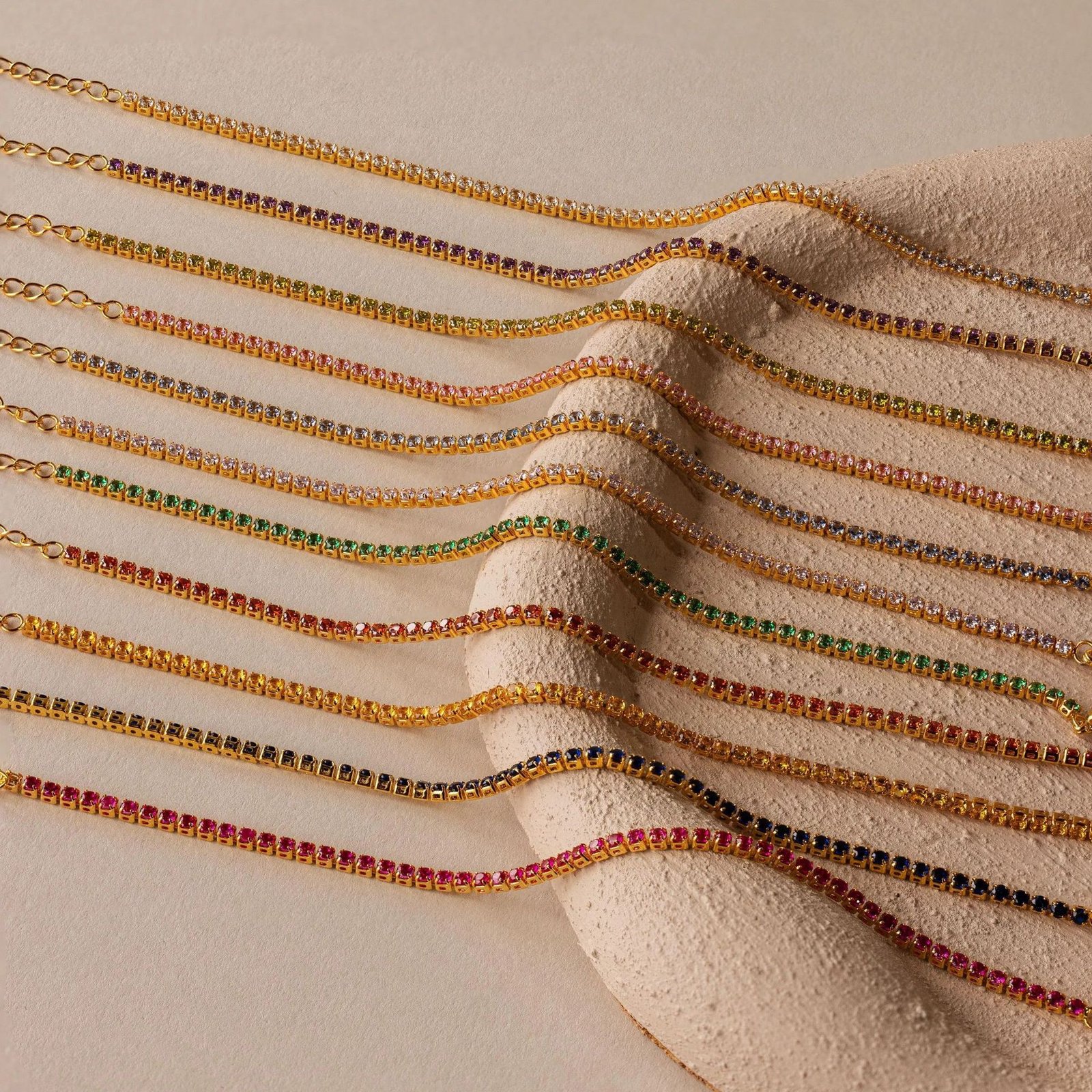
Standard PVD finish options typically include 18K gold and rose gold, with some suppliers also offering black IP coating and two-tone combinations — useful for differentiating a private label line beyond the standard gold/silver split.
Where PVD Gold Fits in a Broader Catalog Strategy
PVD gold pieces work particularly well layered onto the styles already driving demand elsewhere in the market — minimalist stacking rings, delicate layering necklaces, and statement earrings all benefit from the “affordable luxury” positioning PVD enables. Consider building a dedicated PVD gold collection as a mid-tier price point between your base mirror-polish silver line and any premium/custom offerings.
Sourcing Volume and Testing Strategy
Because PVD-plated items are still sourced from in-stock catalog inventory (not custom tooling) at most suppliers, testing doesn’t require large upfront commitment. A typical approach:
- Order 10–15 PVD gold styles at 10 pieces each to test market response
- Track sell-through and review sentiment over 4–6 weeks
- Reorder top performers at higher volume
- Consider a custom/private-label PVD line once demand is validated (custom MOQ typically 300 pieces per design for 304 stainless steel)
Compliance Considerations for PVD-Finished Jewelry
PVD-coated stainless steel jewelry should still meet the same REACH (EU Regulation (EC) No 1907/2006) and RoHS (EU Directive 2011/65/EU) compliance standards as unplated pieces if you’re selling into the EU. Confirm with your supplier that compliance documentation covers the finished, plated product — not just the base stainless steel.
FAQ
Q: What does PVD mean in jewelry plating?
A: PVD stands for Physical Vapor Deposition — a vacuum-based coating process that bonds a durable gold, rose gold, or other finish directly onto stainless steel at the molecular level.
Q: How long does PVD gold plating last compared to regular gold plating?
A: PVD typically retains its color for 1–2+ years under normal wear, while traditional electroplating often fades or flakes within a few months.
Q: Is PVD gold plated jewelry more expensive than regular plated jewelry?
A: PVD plating usually carries a modest cost premium over traditional electroplating, but the durability difference typically reduces returns and negative reviews, offsetting the higher unit cost over time.
Q: Can I test PVD gold jewelry styles before ordering in bulk?
A: Yes — with a low-MOQ supplier, you can typically test PVD gold styles at around 10 pieces per style before committing to a larger reorder.
Q: What colors are available in PVD plating besides gold?
A: Common PVD finish options include 18K gold, rose gold, black IP coating, and two-tone combinations, in addition to standard mirror-polish silver.
Q: Does PVD plating affect whether jewelry is hypoallergenic?
A: PVD plating is applied over a stainless steel base (304 or 316L), which is widely considered hypoallergenic; the plating process itself doesn’t typically change the underlying material’s skin-safety profile.
Next Step
Add a PVD gold collection to your catalog without committing to bulk inventory. Test 10–15 styles at low MOQ and scale what performs.
👉 Browse the catalog: mfchic.com
📱 WhatsApp: +86 17727314167