
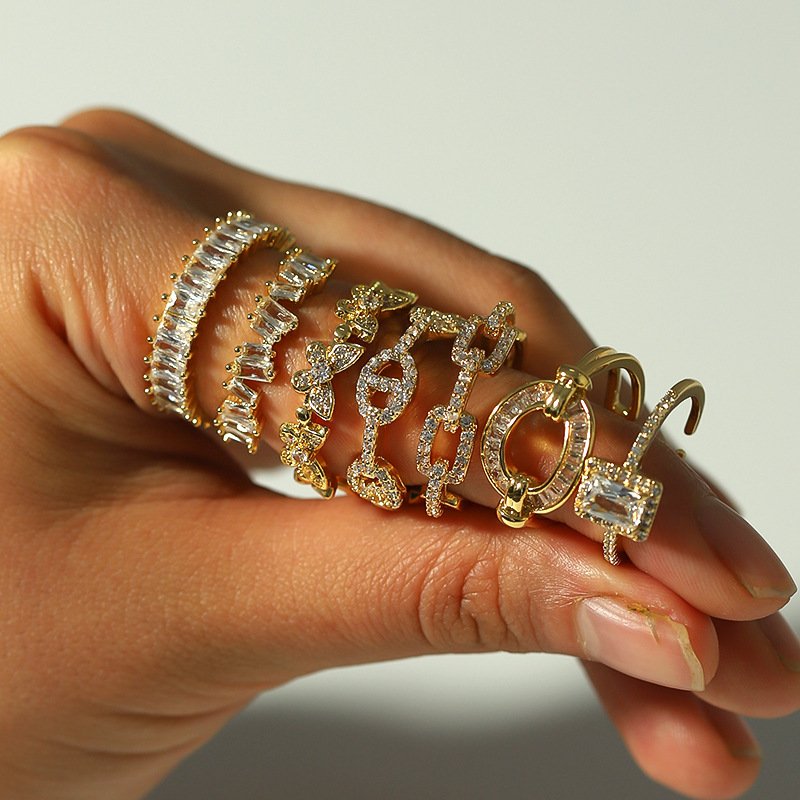
Stainless steel jewelry has become one of the fastest-growing categories in the accessories market, and for good reason. Unlike traditional sterling silver or gold-plated pieces that tarnish, turn skin green, or require constant polishing, stainless steel jewelry is built to withstand water, sweat, and daily wear without losing its shine. Most of our collection is crafted in 304 stainless steel, the industry-standard grade that offers the widest range of styles, finishes, and colors, with a smaller curated selection available in 316L (surgical-grade) steel for extra-sensitive skin or heavy water exposure. This guide explains what stainless steel jewelry actually is, how it compares to gold, silver, and titanium, the real difference between 304 and 316L, and how to keep your jewelry looking new for years.
| KEY TAKEAWAYS Stainless steel jewelry is waterproof and safe to wear in the shower, pool, and ocean. 304 stainless steel is the industry-standard, versatile grade used in most everyday jewelry, offering the widest selection of styles, finishes, and colors. 316L (surgical-grade) stainless steel is available in a smaller, curated selection for extra-sensitive skin or heavy daily water exposure. Neither grade tarnishes, rusts, or turns skin green under normal wear. It typically costs 5 to 10 times less than solid gold or platinum while lasting just as long. Proper care requires nothing more than mild soap, warm water, and a soft cloth. |
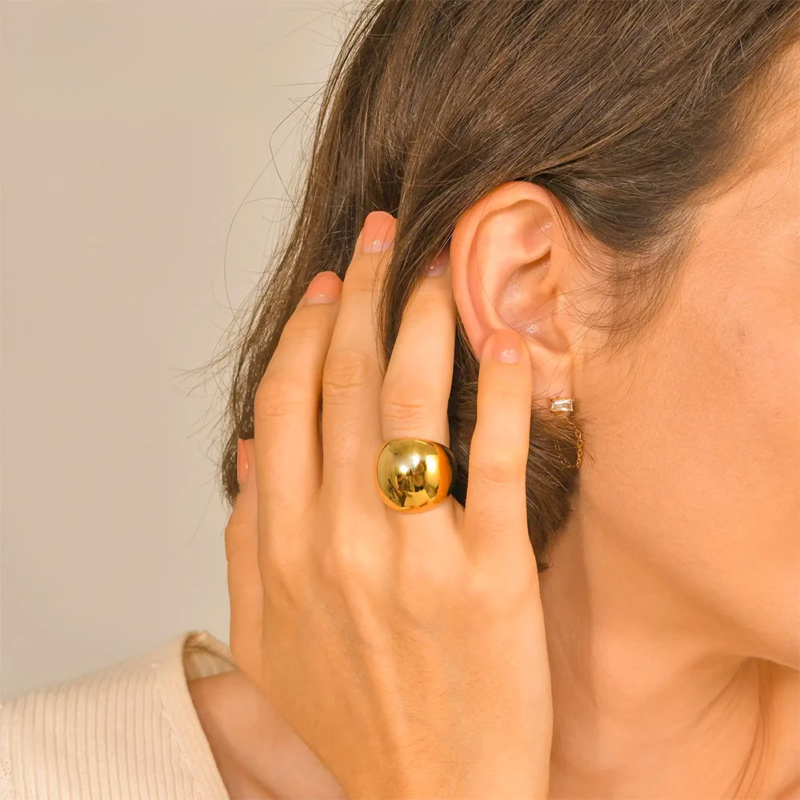
What Is Stainless Steel Jewelry, Exactly?
Stainless steel is an iron-based alloy containing at least 10.5% chromium, which reacts with oxygen to form an invisible, self-repairing protective layer on the metal’s surface. This layer is what prevents rust and corrosion, even after repeated exposure to water, sweat, and skincare products. Jewelry-grade stainless steel usually falls into one of two categories:
304 stainless steel (also called 18/8 for its 18% chromium and 8% nickel content) is the industry-standard grade for fashion and everyday jewelry. Its excellent formability allows for a much wider range of designs, textures, and platings – from polished and brushed finishes to gold, rose gold, and black IP coatings – which is why it makes up the majority of most stainless steel jewelry collections, including ours.
316L stainless steel (also called surgical steel or marine-grade steel) adds molybdenum for extra corrosion resistance. It’s an excellent option for extra-sensitive skin or constant water exposure, but its added hardness makes it more difficult to cast into fine detail work, which is why it’s typically offered in a smaller, more classic selection of styles.
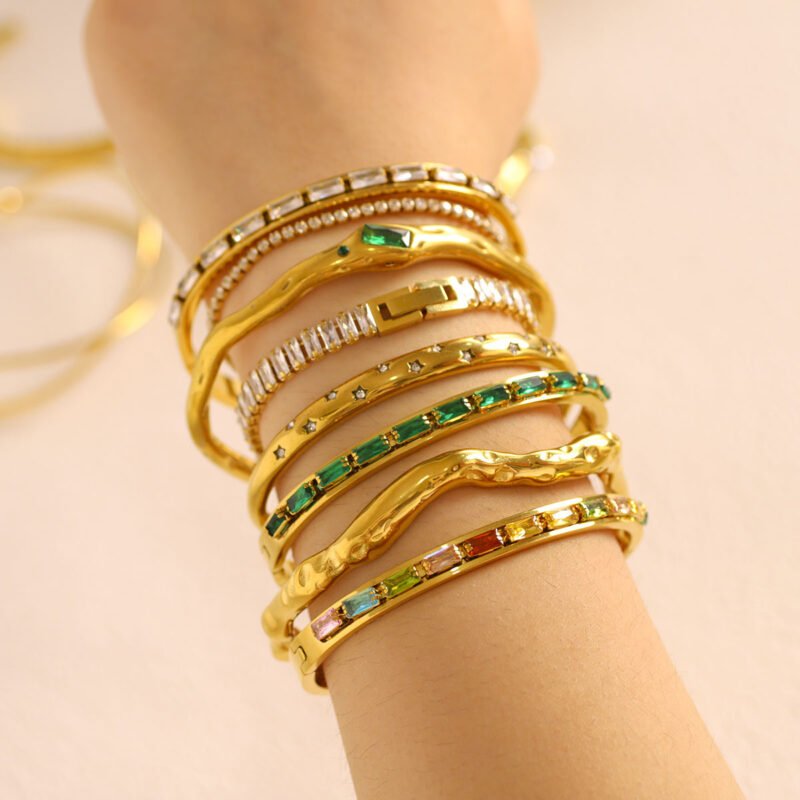
7 Reasons Stainless Steel Jewelry Is Taking Over the Everyday Jewelry Market
100% Waterproof – can be worn in the shower, pool, ocean, and while working out without damage.
Hypoallergenic – both 304 and 316L stainless steel release very little nickel, making them safe for most skin types, including many people with mild sensitivities.
Tarnish-Free – the chromium oxide layer prevents the black or green discoloration common with silver and brass.
Highly Durable – resists scratches, dents, and bending far better than gold-plated or silver-plated jewelry.
The Widest Style Selection – 304 stainless steel’s formability supports far more cuts, textures, and plating colors than harder or more precious metals, so there’s a style for every taste.
Affordable Luxury Look – offers the same polished, mirror-like finish as fine jewelry at a fraction of the cost.
Low Maintenance – never needs professional polishing or anti-tarnish storage.
Stainless Steel vs. Gold, Silver, and Titanium: Which Should You Choose?
| Metal | Waterproof | Tarnish Resistant | Style Selection | Best For |
| Stainless Steel (304) | Yes | Yes | Widest range – most colors, finishes, designs | Everyday wear, fashion jewelry, stacking pieces |
| Stainless Steel (316L) | Yes | Yes | Smaller, classic selection | Nickel allergies, heavy daily water exposure |
| Sterling Silver | No | No, tarnishes | Wide | Special occasions, classic looks |
| Solid Gold | Yes | Yes | Wide (often custom) | Fine jewelry, investment pieces |
| Titanium | Yes | Yes | Limited | Sensitive skin, lightweight wear |
For everyday jewelry that needs to survive gym sessions, travel, and unpredictable weather, stainless steel and titanium are the clear winners. Solid gold remains the top choice for heirloom or investment pieces, while sterling silver is best reserved for occasional wear.
304 vs. 316L Stainless Steel: Which Grade Is Right for You?
Both 304 and 316L are genuine, jewelry-grade stainless steel. The difference comes down to selection and specific use cases rather than one grade being strictly better than the other.
Choose 304 stainless steel if: you want the widest choice of styles, finishes, and colors; you’re shopping for everyday pieces like stacking rings, layered necklaces, or fashion-forward statement jewelry; you have normal to moderately sensitive skin.
Choose 316L stainless steel if: you have a diagnosed nickel allergy or very sensitive skin; you swim, dive, or shower in your jewelry every single day for years on end; you don’t mind a smaller, more classic selection of styles.
In practice, the two grades perform almost identically for the average wearer under normal daily conditions. 304 stainless steel resists tarnishing, rust, and skin discoloration just as well as 316L for daily wear, showering, and the occasional swim in a pool or the ocean. 316L’s advantage becomes most noticeable only under prolonged, heavy exposure to chlorine or salt water, or for people with a confirmed metal allergy – which is why we offer it as a smaller, focused selection alongside our full 304 stainless steel collection.
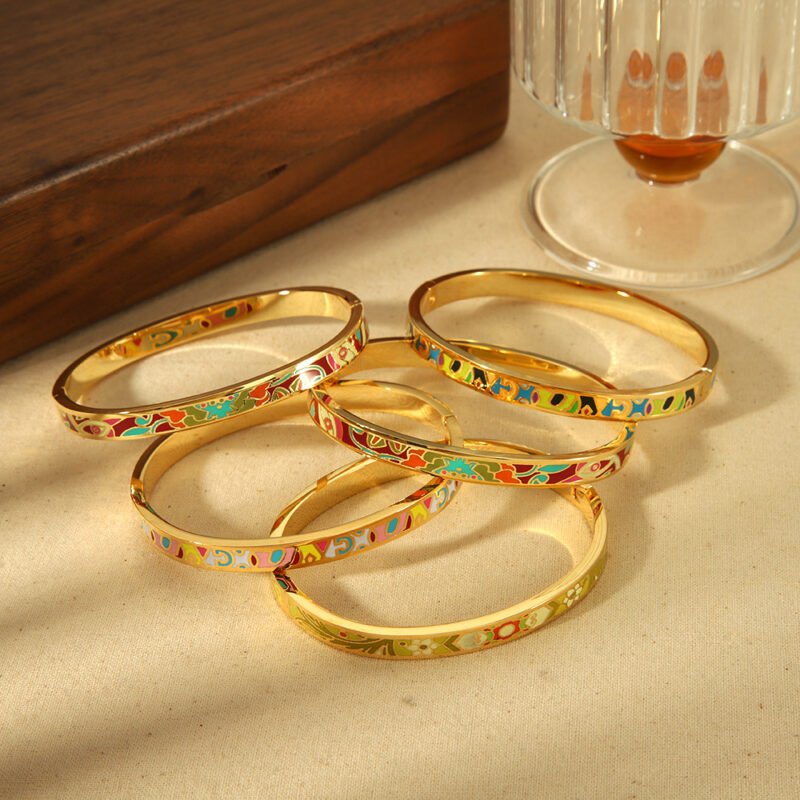
How to Care for Stainless Steel Jewelry (Even Though It’s Nearly Indestructible)
Clean with warm water, mild dish soap, and a soft-bristle toothbrush to remove buildup.
Dry thoroughly with a soft cloth to maintain the mirror finish.
Avoid abrasive cleaners or steel wool, which can scratch a polished surface.
Store separately from harder gemstone jewelry to prevent surface scratching.
Periodically check plated stainless steel (gold or rose gold PVD coating) for wear, since the coating – not the base metal – is what can fade over time.
Who Should Wear Stainless Steel Jewelry?
Stainless steel jewelry fits naturally into several lifestyles and shopping needs:
Athletes and gym-goers who need jewelry that survives sweat and movement.
Swimmers and beach lovers exposed to chlorine and salt water.
Trend-driven shoppers who want the widest choice of colors and finishes – best served by our 304 stainless steel collection.
People with nickel allergies or very sensitive skin – best served by our smaller 316L collection.
Minimalists who want a polished everyday look without upkeep.
Budget-conscious shoppers building a versatile jewelry collection.
Frequently Asked Questions
Does stainless steel jewelry tarnish or turn skin green?
No. Genuine stainless steel jewelry, in both 304 and 316L grades, does not tarnish or turn skin green because its chromium oxide layer prevents oxidation. Discoloration is usually a sign of a base metal alloy underneath a thin plating rather than solid stainless steel.
Is stainless steel jewelry hypoallergenic?
Yes, for the vast majority of wearers. Both 304 and 316L stainless steel release very little nickel compared to base metals or plated jewelry, and are considered hypoallergenic for normal use. If you have a diagnosed nickel allergy or extremely sensitive skin, look for our 316L (surgical-grade) pieces, which release the least nickel of any stainless steel grade.
Why do most stainless steel jewelry collections use 304 instead of 316L?
304 stainless steel offers superior formability, which allows jewelry makers to create a much wider variety of designs, textures, and platings. 316L is harder and more corrosion-resistant, but this comes at the cost of design flexibility and higher production cost, which is why it’s usually reserved for a smaller, more classic selection of pieces.
Can you shower, swim, and sleep in stainless steel jewelry?
Yes. Both 304 and 316L stainless steel jewelry are fully waterproof and can be worn in the shower, pool, and ocean, as well as during sleep and exercise, without rusting, tarnishing, or losing their finish.
What’s the difference between stainless steel and surgical steel jewelry?
Surgical steel is a marketing term that almost always refers to 316L stainless steel, the same medical-grade alloy used in surgical instruments and implants. There is no meaningful difference between the two terms when 316L is specified.
How long does stainless steel jewelry last?
With basic care, stainless steel jewelry can last a lifetime in either 304 or 316L grade. Unlike gold or silver plating, which wears off within months, solid stainless steel does not fade, tarnish, or corrode under normal daily wear.
The Bottom Line
Stainless steel jewelry combines the durability of fine jewelry with the affordability and low maintenance shoppers want in 2026. Our collection is built primarily on 304 stainless steel, giving you the widest possible selection of styles, finishes, and colors, while a smaller curated range of 316L pieces is available for anyone who needs extra protection for sensitive skin or heavy daily water exposure. Whichever grade you choose, you’re getting jewelry tough enough for the gym, the beach, and everything in between.
Browse our full collection of waterproof stainless steel jewelry at mfchic.com – most styles available in 304 stainless steel, with select pieces offered in 316L (surgical-grade) steel.