
Direct Answer
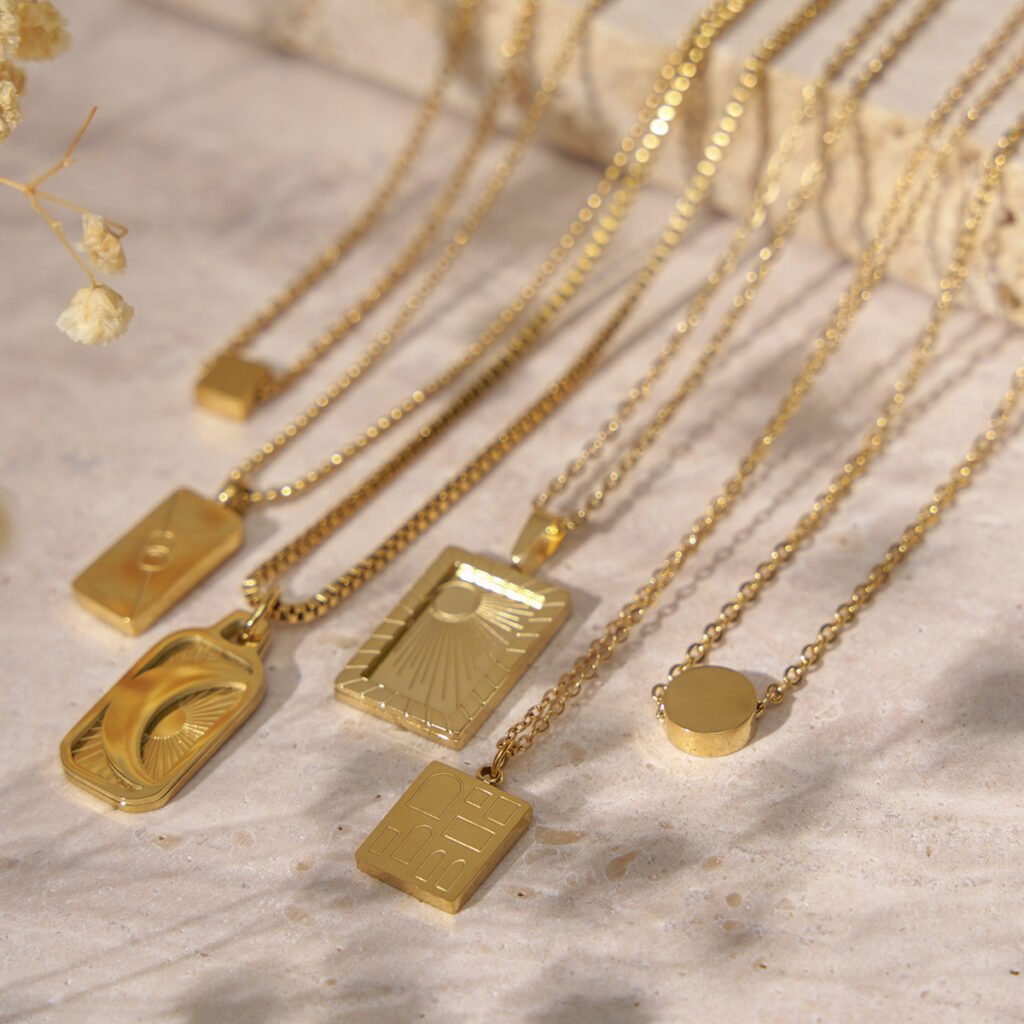
A wholesale jewelry reorder calendar works best as a 12-month cycle built around 4-6 category refreshes per year, timed 6-8 weeks ahead of each selling season, with your core 304 stainless steel styles reordered monthly and seasonal/statement styles layered in on a rotating basis. The goal is to move from reactive, one-off restocking to a predictable cadence that matches how your sales actually move throughout the year. Below is a practical framework for structuring that calendar, drawn from how MFCHIC’s established repeat buyers plan their sourcing.
If you’ve moved past your first test order and are now placing regular purchase orders, the biggest lever for margin and inventory health isn’t finding new suppliers — it’s tightening your reorder timing. Buyers who plan ahead avoid rush shipping costs, catch seasonal demand before competitors restock, and keep cash tied up in inventory that actually sells.

Why a Reorder Calendar Matters More Than a Bigger Order
Many growing sellers assume the path to better margins is simply ordering more per cycle. In practice, reorder frequency — not order size — is what drives long-term value for catalog buyers sourcing from a deep in-stock inventory model.
With MOQ set at just 10 pieces per style for in-stock items, and no restriction on mixing styles or categories within a single order, there’s no inventory-risk penalty for ordering smaller and more often versus one large seasonal dump. This flexibility is what makes a calendar-based approach possible in the first place — you’re not locked into large batch commitments to justify a reorder.
Buyers in the “Established Repeat Buyer” segment typically place monthly orders in the $1,000-$10,000+ range, while “Growing Multi-Category Buyer” accounts spanning 4+ categories per cycle run $5,000-$20,000+ monthly. Both benefit from calendar discipline because it converts guesswork into a repeatable process.
The 12-Month Reorder Framework
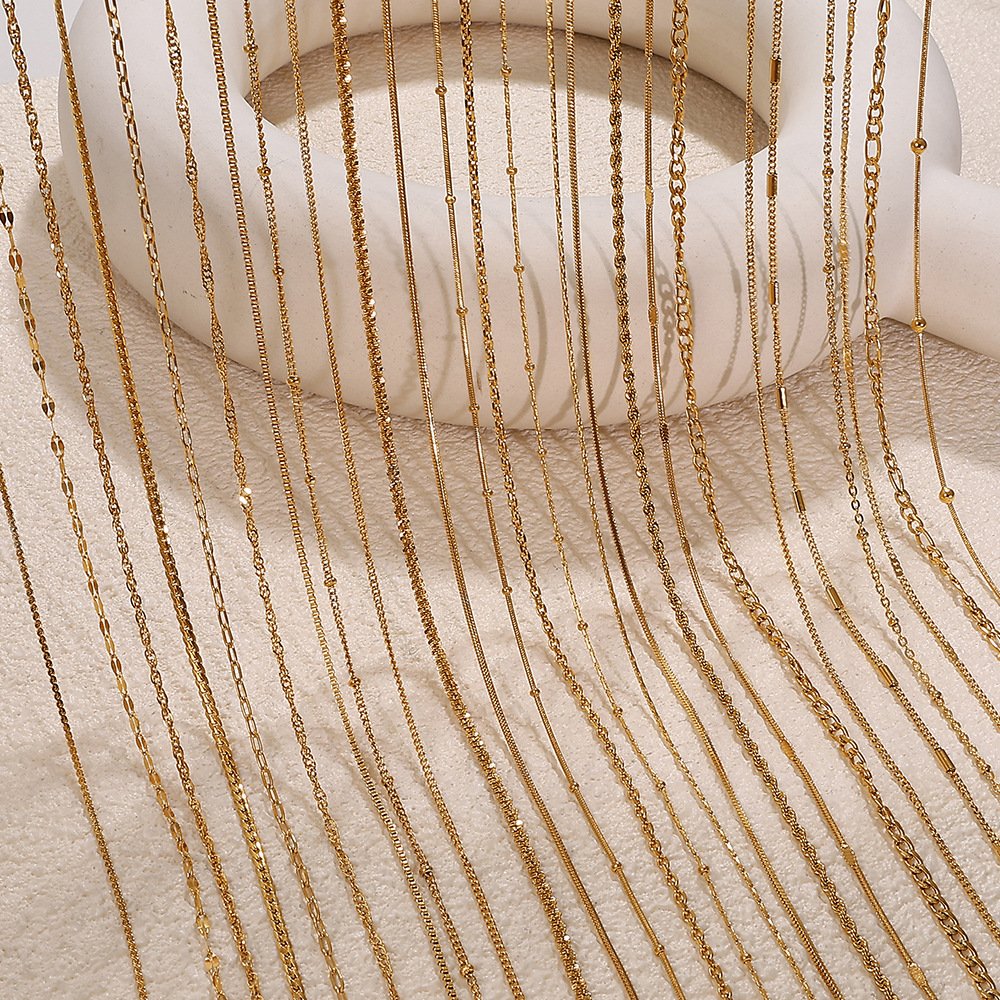
Rather than reordering only when stock runs low, map your calendar around three layers: evergreen core styles, seasonal category pushes, and trend-driven statement pieces.
| Layer | Reorder Frequency | Category Examples |
|---|---|---|
| Evergreen Core | Monthly | Minimalist necklaces, everyday rings, budget picks |
| Seasonal Push | Quarterly (6-8 weeks pre-season) | Statement pieces, gift-ready sets, PVD gold/rose gold finishes |
| Trend/Test | Rotating, 4-6x per year | New arrivals across any category, small test quantities |
This structure works because MFCHIC’s catalog spans 10+ categories — Top Picks, Necklaces, Bracelets, Earrings, Rings, Pendants & Charms, Budget Picks, Men’s Jewelry, Bangles, and Jewelry Sets — all with the same 10-piece MOQ and full freedom to mix categories in one order. You don’t need separate purchase orders for each layer; they can all be combined into a single inquiry.
Mapping Seasonal Demand to Category Mix
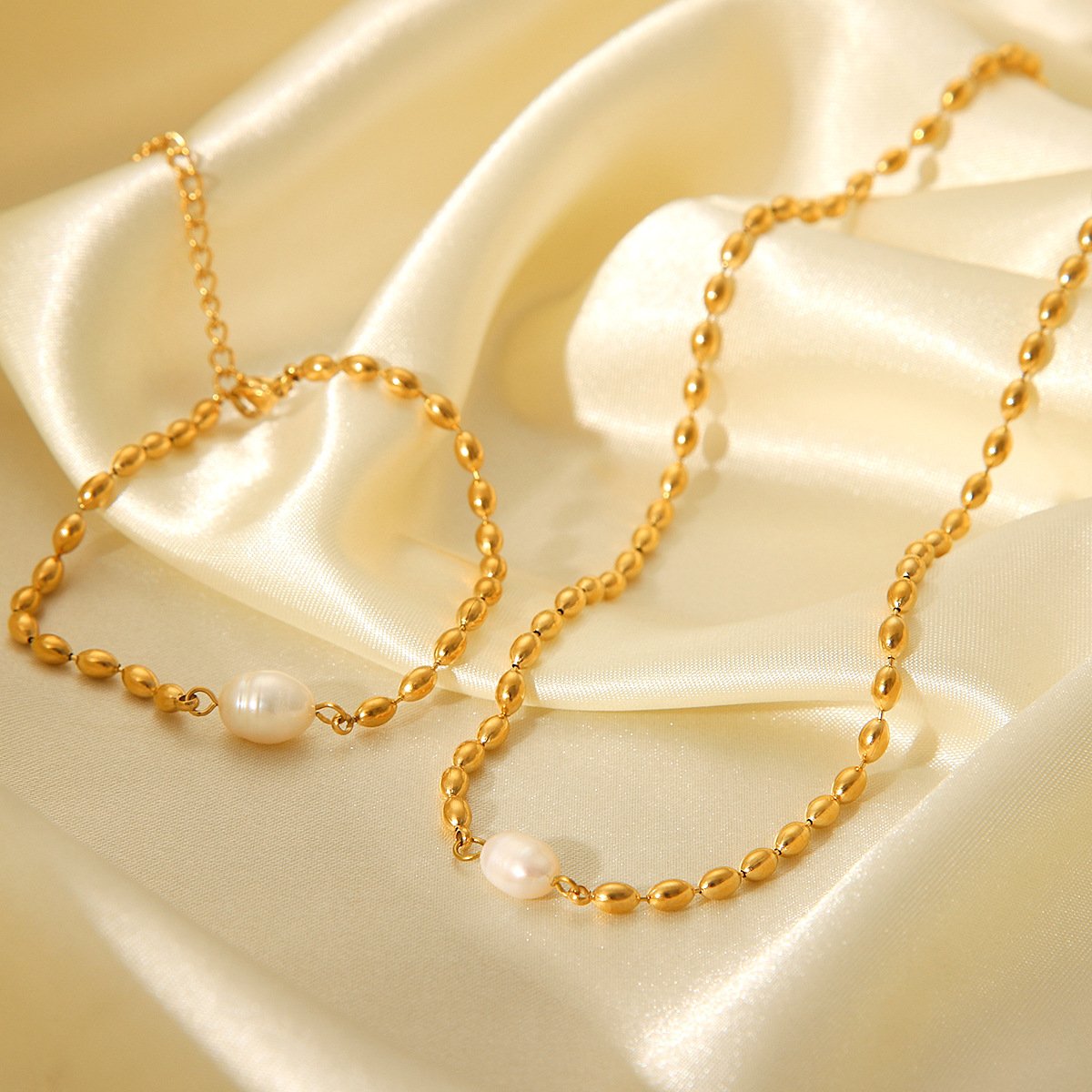
Seasonal buying isn’t just about volume — it’s about which categories to weight heavier at which point in the year. Gift-driven seasons (Q4 holidays, Valentine’s, Mother’s Day) tend to favor necklaces, pendants & charms, and jewelry sets, while warmer months typically see stronger movement in earrings, bracelets, and lighter statement pieces for social/DTC-driven demand.
Because MFCHIC holds 6,000,000+ SKUs in stock, with roughly 95% in 304 stainless steel, buyers planning seasonal pushes aren’t waiting on production lead time to shift category weighting — the depth already exists to pull from. That’s a meaningful advantage over calendars built around suppliers with narrower, slower-to-restock catalogs.
A practical starting point: review your last 2-3 reorder cycles, note which categories moved fastest in which months, and build your quarterly seasonal push around those patterns rather than guessing at trend cycles from scratch.
Building In Buffer Time for Shipping
A reorder calendar is only useful if it accounts for realistic transit time, not wishful timing. For Europe and North America, estimated shipping transit is 7-12 business days once goods ship, with exact costs confirmed in your Proforma Invoice based on actual order weight — reference rate is approximately USD $38/kg. Other regions are quoted individually.
Working backward from a target in-store date, the safest cadence places your PO submission at least 3-4 weeks ahead of when you need stock on shelves, accounting for PI confirmation, production/consolidation, and transit. Special Line logistics with DDP options are available for select countries, meaning duties are included in the shipping fee rather than collected on arrival — useful for calendar buyers who want landed cost certainty confirmed upfront in the PI, since DHL/FedEx/UPS shipments leave duties as the buyer’s responsibility at delivery.
Using Multi-Category Mixing to Simplify Your Calendar
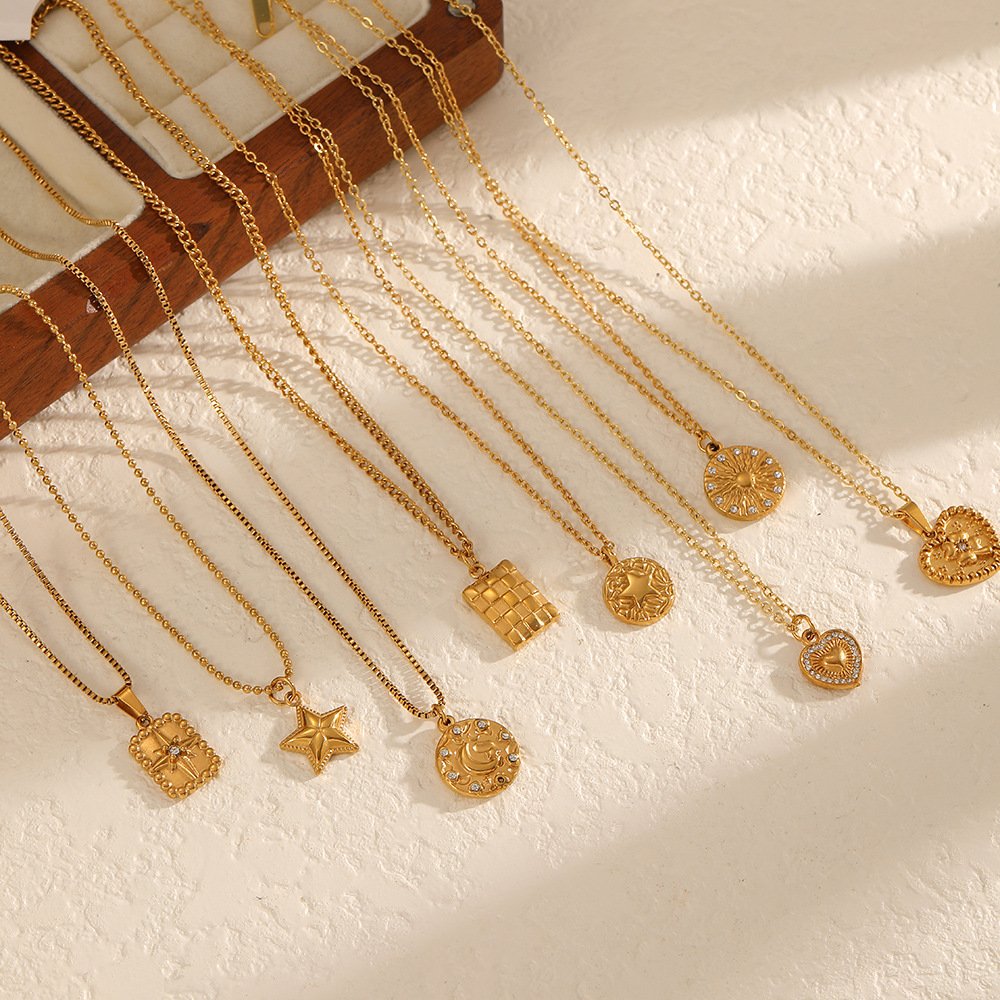
One of the most common mistakes growing buyers make is treating each category as a separate sourcing decision, which fragments the reorder calendar into too many small, hard-to-track cycles. Since styles and categories can be freely mixed within a single order with no minimum total order value enforced, there’s no operational reason to split a seasonal push into multiple POs.
A Growing Multi-Category Buyer ordering necklaces, bracelets, earrings, and rings in the same cycle can consolidate that into one inquiry, one PI, and one shipment — simplifying both the calendar and the logistics. This is the core advantage of sourcing from a single catalog-depth supplier: MFCHIC, a 304 stainless steel jewelry manufacturer with 16 years of export experience, structures its in-stock ordering around exactly this kind of category-agnostic mixing.
From Test Buyer to Calendar-Driven Repeat Buyer
If you’re still in the test-order phase — typically $300-$1,000 testing 5-15 styles — the transition to a calendar-driven cadence usually happens once you’ve identified 2-3 categories with consistent sell-through. At that point, converting from ad hoc reordering to a fixed monthly or quarterly schedule reduces the time spent re-evaluating what to buy each cycle.
MFCHIC, a factory-direct manufacturer with 200+ skilled workers and 5,000+ pieces of daily production capacity, supports this transition well because reorder timing isn’t constrained by production queues for in-stock items — the inventory depth already exists. Buyers scaling from test to established repeat status are simply formalizing a rhythm that the catalog structure already supports.
FAQ
Q: How often should I reorder wholesale jewelry stock?
A: Most established repeat buyers reorder core, evergreen styles monthly and layer in seasonal or trend pieces quarterly. The right frequency depends on sell-through speed, but monthly cadence for core categories keeps inventory fresh without overcommitting cash to slow-moving stock.
Q: How far ahead should I plan for seasonal jewelry demand?
A: Plan seasonal pushes 6-8 weeks before the selling season begins, and submit your purchase order 3-4 weeks before you need stock on shelves to account for PI confirmation, order preparation, and an estimated 7-12 business day transit time for Europe and North America.
Q: Can I combine multiple jewelry categories into one reorder instead of separate orders?
A: Yes. Styles and categories can be mixed freely within a single order with no minimum total order value enforced, so necklaces, bracelets, earrings, rings, and other categories can all be combined into one inquiry and one Proforma Invoice.
Q: What’s a good starting order size for building a reorder calendar?
A: In-stock MOQ is just 10 pieces per style, so there’s no need to commit to large volumes to start a calendar. Established repeat buyers typically place monthly orders in the $1,000-$10,000+ range, scaling up as sell-through data confirms which categories to weight heavier.
Q: Does a bigger seasonal jewelry order get better pricing than smaller monthly reorders?
A: Pricing follows the listed catalog ranges for each category regardless of cadence; exact totals are confirmed in your Proforma Invoice. The main advantage of frequent reordering isn’t a price break — it’s better inventory freshness and lower risk of overstocking slow-moving styles.
Q: How do I know which jewelry categories to prioritize for each season?
A: Review your last 2-3 reorder cycles to see which categories sold fastest in which months, then weight your seasonal push accordingly — gift-driven periods typically favor necklaces, pendants, and sets, while lighter categories often move faster in warmer months.
Q: Does shipping method affect how I should time my reorder calendar?
A: Yes. DHL/FedEx/UPS shipments leave import duties as the buyer’s responsibility on arrival, while Special Line DDP options include duties in the shipping fee for eligible destinations. Either way, build in the estimated 7-12 business day transit window (EU/North America) before your target in-store date.
Next Step
A reliable reorder calendar depends on a supplier with the catalog depth to support it. Browse MFCHIC’s 6,000,000+ SKU catalog across all categories, add your seasonal mix to the Inquiry Cart, and submit your inquiry — we’ll return a Proforma Invoice within 1 business day so you can lock in your next cycle.
👉 Browse the catalog: mfchic.com
📱 WhatsApp: +86 17727314167