
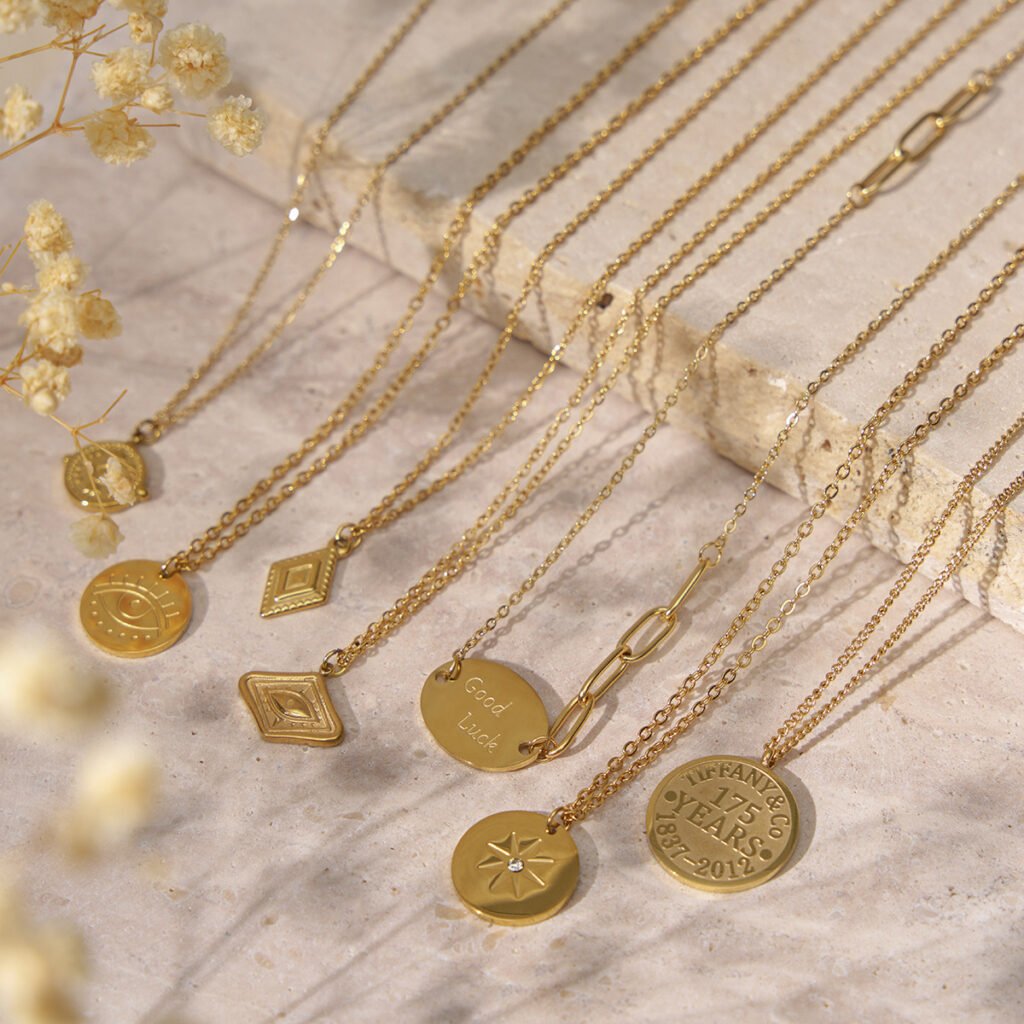
In the competitive world of fashion jewelry, balancing cost and quality is the eternal struggle for brand owners and Amazon sellers. For years, 316L stainless steel has been the gold standard for durability and hypoallergenic properties. However, as raw material costs rise and market competition intensifies, savvy procurement managers are turning their eyes to a misunderstood hero: 304 Stainless Steel Jewelry.
Many buyers dismiss 304 steel as “cheap” or “low quality” due to the flood of substandard products in the market. But the truth is, the material itself isn’t the problem—the manufacturing process is.
This article reveals how a professional jewelry factory can transform standard 304 material into high-end jewelry that rivals the look and feel of 316L, offering you a cost-effective solution to maximize your profit margins without sacrificing your brand’s reputation.
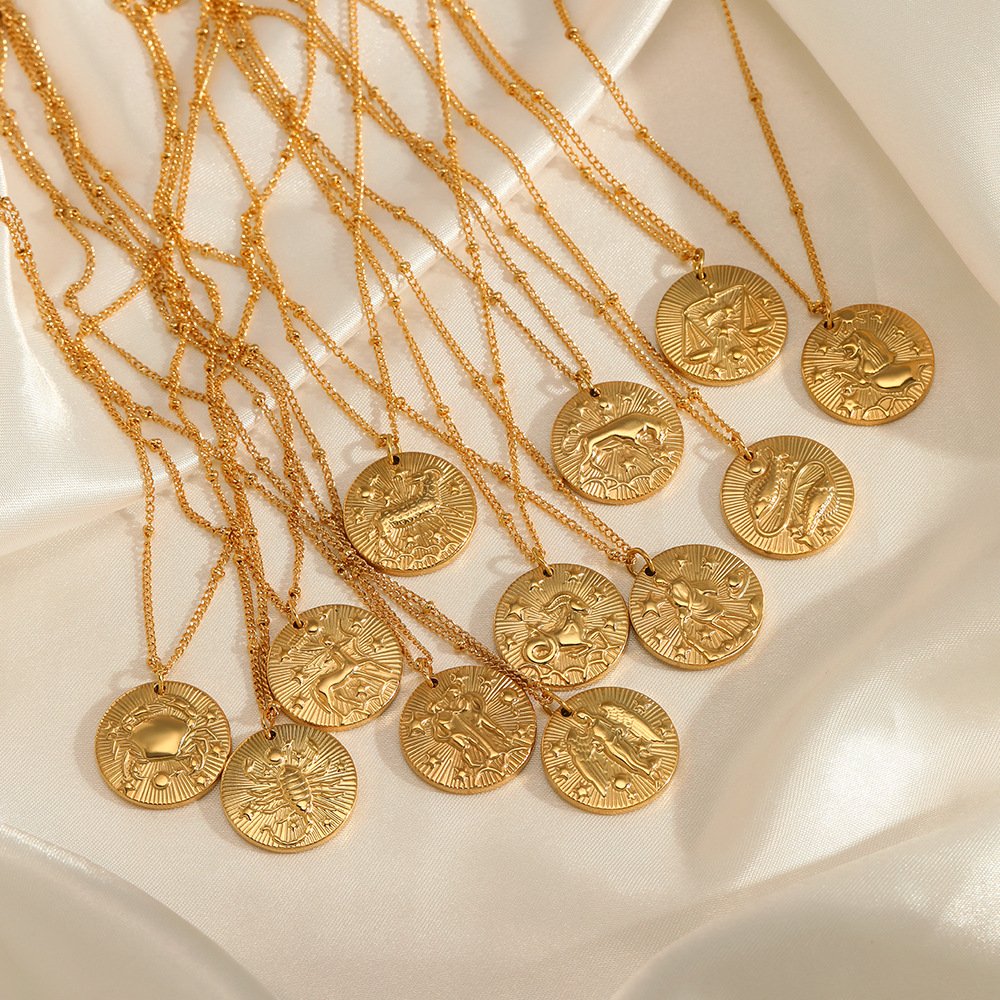
The Truth About 304 vs. 316L Stainless Steel
Before diving into craftsmanship, we must address the elephant in the room: the chemical difference.
Technically, 316L contains molybdenum (2-3%), which gives it superior corrosion resistance in extreme environments (like marine settings or medical implants). 304 stainless steel lacks molybdenum but shares the same chromium and nickel base that provides excellent rust resistance for everyday wear.
The Reality Check:
Does your customer plan to go deep-sea diving with their necklace? Or leave their rings in a bucket of acid? Likely not. For daily use—showering, sweating, and sleeping—high-quality 304 steel is more than sufficient.
The reason many 304 products tarnish or cause allergies isn’t the steel’s chemical composition; it’s the use of recycled scrap metal (waste material) and poor surface treatment.
Why “Market Goods” Give 304 a Bad Name
If you buy generic wholesale jewelry from a massive marketplace, you are often getting:
- Recycled Material: Steel melted down from industrial scraps, containing impurities like lead and cadmium.
- Rough Surfaces: Micro-pits (sand holes) that trap dirt and sweat, accelerating oxidation.
- Cheap Plating: “Flash plating” that wears off in two weeks.
Our factory takes a different approach. We prove that 304 Stainless Steel Jewelry can be a premium product when handled with precision.
Step 1: Material Selection – Rejecting the Scrap
The foundation of high-quality jewelry is the raw material. A reputable jewelry factory will never compromise here.
The “New Refining” Standard
We insist on using New Refined Steel. This means the steel comes directly from major steel mills, not from a recycling plant.
- Purity: It ensures the nickel release falls within safe international standards (REACH/RoHS compliant).
- Density: New steel is denser and harder, allowing for sharper details during casting or cutting.
- Polishing Base: You cannot polish a brick into a mirror. Similarly, you cannot polish porous, recycled steel into a high-shine finish. New steel provides a smooth canvas for the polishing stage.
By starting with premium 304 stock, we eliminate the “black spots” and structural weaknesses found in cheaper alternatives.
Step 2: The Art of Polishing – The “Mirror Finish” Secret
This is where the magic happens. The visual difference between a $2 ring and a $20 ring is almost entirely in the polishing.
The Problem with Mass Production Polishing
In low-cost factories, polishing is done via “tumbling” (machine polishing) only. Thousands of pieces are thrown into a drum with abrasive stones. While this removes sharp edges, it leaves a hazy, dull finish known as “orange peel.” It looks cheap because it is cheap.
Our Process: Hand-Polishing and Mirror Buffing
To achieve a cost-effective yet premium look, we employ a hybrid method:
- Rough Grinding: Removes the casting sprues and major imperfections.
- Fine Sanding: Smooths the surface to prepare for the buffing wheel.
- Mirror Polishing (The Key): Skilled artisans use cloth wheels and specialized wax to buff the 304 steel until it reflects light perfectly.
We pay special attention to the inner arcs of rings and the backside of pendants. A customer knows a piece is high quality when the part touching their skin is as smooth as the front. This level of detail transforms 304 steel, making it indistinguishable from platinum or polished silver to the naked eye.
Step 3: PVD Plating – Color That Lasts
One of the biggest fears for buyers of 304 jewelry is tarnishing. “Will it turn my customer’s neck green?”
If the plating is done correctly, the answer is no.
Vacuum Ion Plating (PVD)
We utilize Physical Vapor Deposition (PVD) inside a vacuum chamber. Unlike traditional water plating (which is harmful to the environment and thin), PVD bonds titanium nitride gold coating to the steel at a molecular level.
The “Real Gold” Difference
Many factories use “imitation gold” colors to save money, resulting in a brassy, yellow-orange look that screams “fake.” We use Real 14K or 18K Gold targets in our PVD process.
- Color Accuracy: The tone is soft, elegant, and matches high-end solid gold jewelry.
- Thickness: We control the coating thickness to ensure durability.
Nano-Coating Protection (E-Coating)
To further enhance the longevity of our 304 Stainless Steel Jewelry, we apply a final layer of transparent electrophoretic paint (E-coating) or Nano-protection. This acts as a shield against sweat, perfume, and lotions.
- Result: Color retention for 3-5 years with proper care, rivaling the performance of 316L jewelry but at a fraction of the raw material cost.
Step 4: Quality Control – The 100% Inspection Rule
In the B2B world, receiving a batch of goods with a 10% defect rate is a nightmare. It creates returns, bad reviews, and administrative headaches.
Most “cheap” factories operate on AQL 2.5 standards (allowing a certain percentage of defects). We operate on a 100% Full Inspection policy.
What We Check:
- Stone Setting: We use wax setting or prong setting techniques, not just glue. We drop-test items to ensure Zircons won’t fall out.
- Clasps and Jump Rings: Every lobster clasp is tested for spring action. Every jump ring is soldered closed (if requested) to prevent chains from breaking.
- Surface Check: Any scratch, pit, or uneven plating is rejected immediately.
By filtering out defects before shipping, we save our clients the hidden costs of returns and lost customers.
The Economics: Why 304 is the Smart Choice for Brands
Why should you switch or expand your line with 304 steel?
- Lower Material Cost: 304 steel is significantly cheaper than 316L.
- Higher Profit Margins: By saving on the raw material, you can invest that budget into better packaging, better photography, or marketing.
- Indistinguishable Quality: With the high-end polishing and PVD plating described above, the end consumer cannot tell the difference visually.
- Scalability: The lower price point allows you to test new designs with less financial risk.
Case Study: The Amazon Best Seller
We worked with a client selling initial necklaces on Amazon. They were originally using 316L but were struggling with thin margins due to rising PPC costs.
We switched their production to our High-Craftsmanship 304 line.
- Cost Savings: 25% reduction in unit cost.
- Quality Feedback: Customer ratings remained at 4.7 stars. No increase in tarnishing complaints.
- Outcome: The client used the savings to run aggressive ads and became a Best Seller in their category within 3 months.
Conclusion: Choose the Right Partner
Not all stainless steel is created equal. A “cheap” 304 ring from a stock market stall will tarnish and scratch. But a precision-manufactured 304 piece from a professional jewelry factory is a masterpiece of engineering and economics.
We invite you to stop paying for chemical properties your customers don’t need (like deep-sea corrosion resistance) and start paying for what they do see: Mirror shine, rich gold color, and smooth finishing.
Ready to upgrade your supply chain?
Contact us today for a free sample kit. Compare our 304 craftsmanship against your current 316L stock. You will be surprised by the quality—and delighted by the price.
Key Takeaways for Buyers:
- Material: Ensure your factory uses New Refined Steel, not recycled scrap.
- Finish: Demand mirror polishing, not just tumbling.
- Plating: Look for PVD with Real Gold targets and Nano-protection.
- QC: Insist on strict quality control to avoid the “hidden costs” of defects.
Invest in craftsmanship, not just raw elements. That is the secret to high cost-performance jewelry.